
Assam Launches ‘Gajah Mitra’ Scheme to Protect People and Elephants

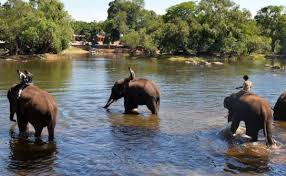
The Assam Cabinet, during its meeting on 20 October, 2022, approved a new framework called Gajah Mitra, to reduce the incidents of human-elephant conflict in the state as it is being reported that there have been hundreds of deaths of both people and elephants. The new scheme seeks to protect wildlife and create safe zones for elephants, and recognize the challenges villages are facing by embracing non-violent means of dealing with the situation.
A New Scheme for Co-existence
Gajah Mitra was approved at a Cabinet meeting on 20 October, 2022, is now Assam’s response to the growing challenge of human-elephant conflict. The cabinet will focus on the initial implementation in 80 high-risk regions in the state, where elephants roam into villages and encounter humans. Local and district governments will grow bamboo and Napier grass, two of the main foods preferred by elephants, to provide a buffer zone for elephants and minimize their contact with humans in the villages.
A quick response team from the Government of Assam will arrive in just such locations to link with villagers and formulate and execute a plan to assist them in safely guiding elephant herds away from the village, without harm to either party.
Why the Scheme Is Needed
The Wildlife Institute of India (WFI) reports that between 2000-2023 there have been over 1,400 people and 1,209 elephants that have died from human-elephant conflict. Of the elephants, WFI states that there was 626 that have died at the hands of humans, either from electrocution from illegal or unsafe fences (often to prevent elephants from raiding crops) that mishap poses a danger for both animals and humans.
Assistant Manager Chief Minister, Himanta Biswas Sarma made it clear “right now the situation is not controllable”, and that it is a “serious challenge” for the government to act for the safety of both people and elephants.
Affected Areas and Rising Death
Areas like Nagaon, Sonitpur West, Dhanasiri, and Karbi Anglong East had the most elephant deaths. The WII report notes that villages impacted by elephants amount to a total of 527 affected villages; of which the Goalpara area took the brunt of deaths.
Elephants die due to territorial fighting (81 deaths) and natural causes (158 deaths) and the rest of the deaths are due to loss of access to food and migration routes. This loss gives elephants no choice but to wander farmlands and villages, causing death to elephants through confrontations and destruction of crops by elephants.
What Now for Assam
The government is working to build sustainable eco-habitats and to remake food access to change elephant movement to human impacted areas. Part of the scheme will be community involvement through education and support in time of needs to elephants. The key hope through Gajah Mitra is to provide a model of management for people to coexist with wildlife.