

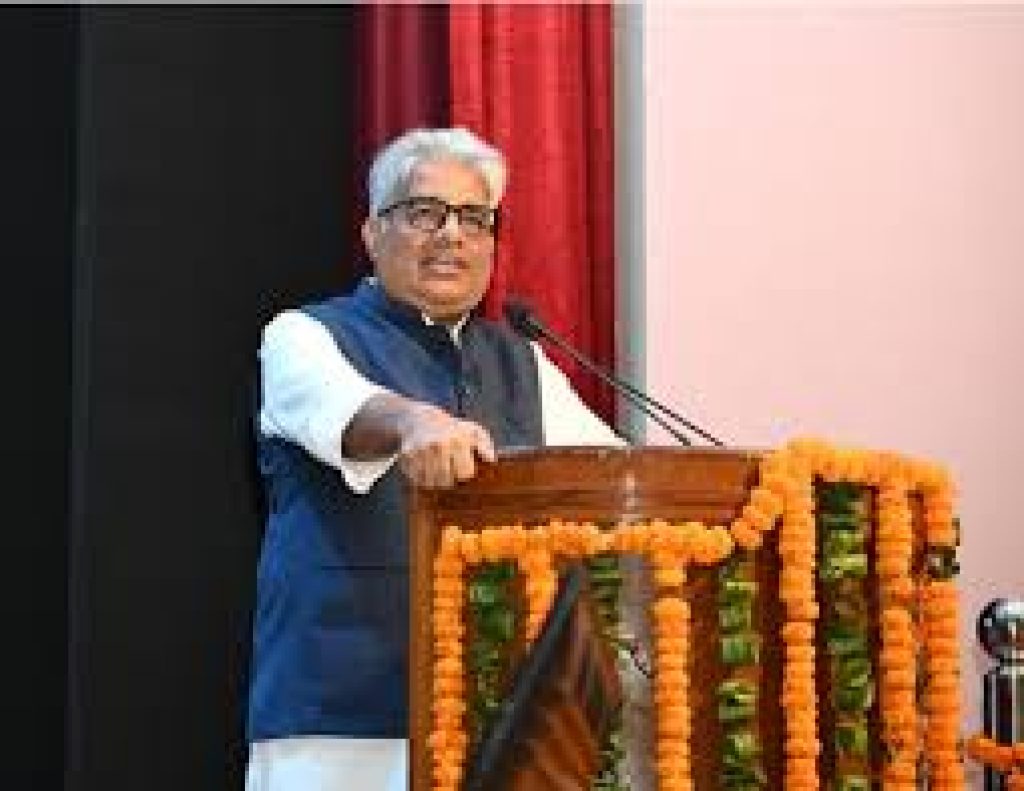
The Wildlife Week 2025 celebrations in Dehradun highlighted India’s renewed commitment to fostering harmony between humans and wildlife. Union Minister Bhupender Yadav took the lead at the event held at the Indira Gandhi National Forest Academy. The theme of Human–Wildlife Coexistence emphasized the pressing need to manage conflicts and promote sustainable conservation efforts. The Ministry of Environment, Forest and Climate Change teamed up with key organizations to roll out new national projects and monitoring programs. These initiatives are designed to bolster species protection and blend technology with community involvement.
Event and Theme Overview
The gathering brought together government officials, forest officers, scientists, conservationists, and students, showcasing a collaborative approach that involved various institutions. The Minister underscored that protecting wildlife is a collective responsibility. The aim is to shift from conflict to coexistence through innovation and awareness, aligning with the Prime Minister’s vision shared during the 7th National Board for Wildlife meeting.
New National Conservation Projects
Marking a milestone in India’s wildlife management efforts, the Minister launched five national projects designed to strengthen species conservation and address human-wildlife conflict:
1. Project Dolphin (Phase II): To enhance protection and monitoring of river and marine cetaceans across India.
2. Project Sloth Bear: Introduction of a national implementation framework for the conservation of sloth bears.
3. Project Gharial: Launch of an implementation plan for gharial conservation.
4. Centre of Excellence for Human–Wildlife Conflict Management (CoE–HWC): To be established at SACON, this centre will lead policy support, research, and field-based mitigation strategies.
5. Tigers Outside Tiger Reserves Initiative: To address tiger-human conflicts in non-protected landscapes through community participation, technological interventions, and landscape-level planning.
Population Estimation and Monitoring Programmes
The Minister also unveiled four national-level population estimation and monitoring programmes:
* Second Cycle of River Dolphin and Cetacean Estimation, including the release of a new field guide.
* All India Tiger Estimation Cycle–6, with field guides published in eight regional languages.
* Action Plan for the Second Cycle of Snow Leopard Estimation.
* Progress Report on the Population Estimation of Great Indian Bustard and Lesser Florican.
Government’s Vision and Community Role
The government reiterated its dedication to biodiversity conservation and inclusive development. The Minister encouraged young people, researchers, and local communities to foster coexistence and become ambassadors for nature. This event underscored India’s role as a leader in sustainable wildlife management, balancing ecological preservation with the needs of human welfare.