
Blue dragon invasion forces closure of more beaches in Spain

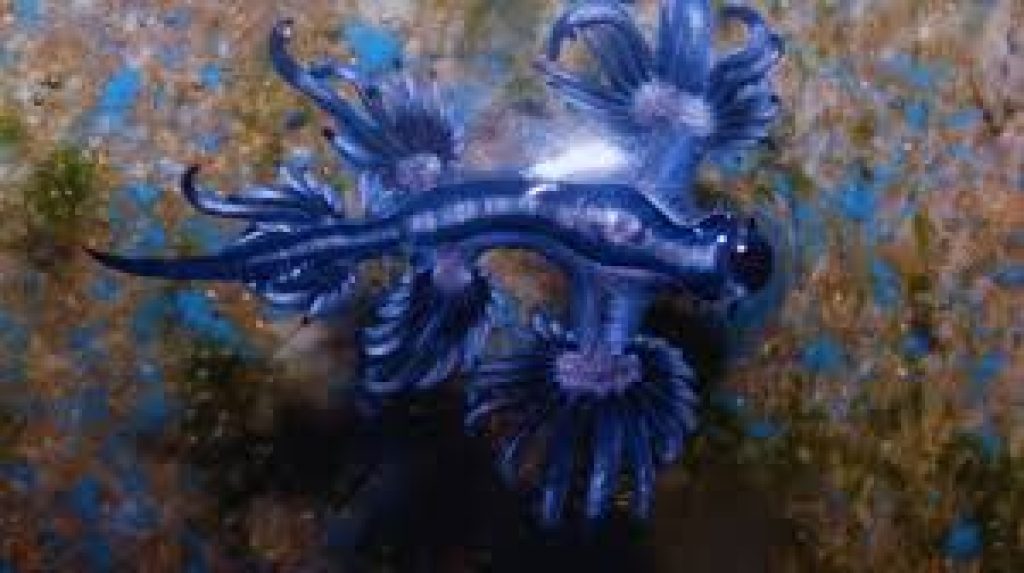
In 2025, several beaches in Spain had to close their doors due to an unexpected influx of blue dragons (Glaucus atlanticus). These fascinating little sea slugs, famous for their vibrant colors and powerful sting, have been spotted in large numbers along the Mediterranean coast. Their sudden appearance has taken both locals and scientists by surprise, especially as it coincides with the rising sea temperatures in the area.
What Are Blue Dragons?
Blue dragons are petite sea slugs, typically around four centimeters long. Unlike most sea slugs that dwell on the ocean floor, blue dragons float upside down on the water’s surface. They have a unique adaptation that allows them to keep an air bubble in their stomach, which helps them stay buoyant. Their striking blue topside blends in with the ocean, while their white underside reflects sunlight from below, making it easier for them to evade predators.
Unique Feeding and Defence Mechanism
Blue dragons feed on venomous jellyfish and siphonophores such as the Portuguese man o’ war. They do not digest the stinging cells but transfer them to finger-like appendages on their bodies. This concentrates the venom, making their sting more powerful than their prey’s. The sting causes severe pain, redness, swelling, nausea, and vomiting in humans but is not fatal.
Reasons Behind Their Appearance in Spain
Blue dragons are native to warm tropical waters of the Pacific, Atlantic, and Indian oceans. Their presence in the Mediterranean has been rare until recently. Scientists link their arrival to rising sea temperatures in the Mediterranean, which is warming faster than many oceans. Warmer waters bring more jellyfish, their primary food source, encouraging blue dragons to expand their range.
Impact on Tourism and Public Safety
The sudden influx of blue dragons forced the closure of beaches in Guardamar del Segura, La Línea de la Concepción, and Lanzarote. Local authorities banned swimming to protect residents and tourists from stings. Police urged caution and warned against touching these creatures, which might seem harmless but pose health risks due to their venomous nature.
Safety Measures and Public Awareness
Blue dragons’ bright colours serve as a natural warning to potential predators. For humans, the key safety advice is to avoid contact. Admiring these creatures from a distance is safe. Handling them, whether in water or on the shore, can provoke painful stings. Public awareness campaigns have been launched to educate beachgoers about the risks and necessary precautions.
Ecological Significance and Climate Change Link
The blue dragon’s expanding presence marks ecological shifts in marine life due to climate change. Rising sea temperatures alter species distribution and food chains. The Mediterranean’s thermal anomalies have created favourable conditions for tropical species. Monitoring such changes helps understand broader environmental impacts and informs marine conservation strategies.