
Critique of Swachh Bharat Waste Segregation in Assam

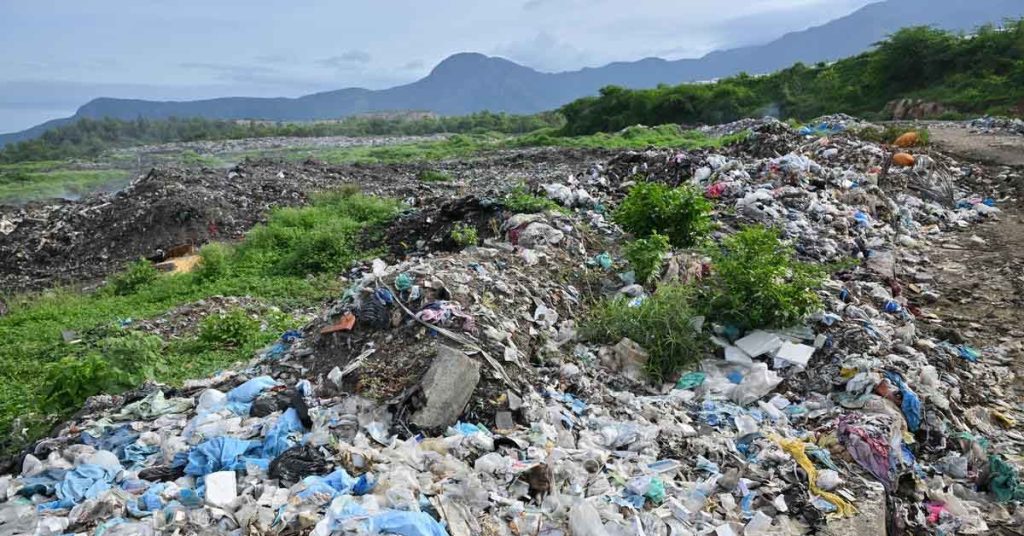
Assam’s waste management practices under the Swachh Bharat Mission have come under scrutiny, with experts warning that unscientific segregation is worsening garbage accumulation and environmental degradation. Open spaces are increasingly turning into waste and toxic zones.
Under the Mission, urban local bodies, including the Guwahati Municipal Corporation, promote household segregation of waste into “dry” and “wet” categories. Experts, however, argue that this model is fundamentally flawed, as these terms describe temporary physical conditions rather than scientifically valid categories for waste treatment or recycling.
According to the Assam compliance report submitted to the National Green Tribunal (NGT) in September 2024, urban areas in the State generate about 1,338 tonnes of municipal solid waste daily. Of this, around 1,231 tonnes are collected, but only about 791 tonnes are processed, leaving nearly 440 tonnes unprocessed or dumped each day. The report also notes that Assam is burdened with a legacy stockpile of over 32 lakh metric tonnes of untreated waste, which continues to grow.