
Geothermal energy

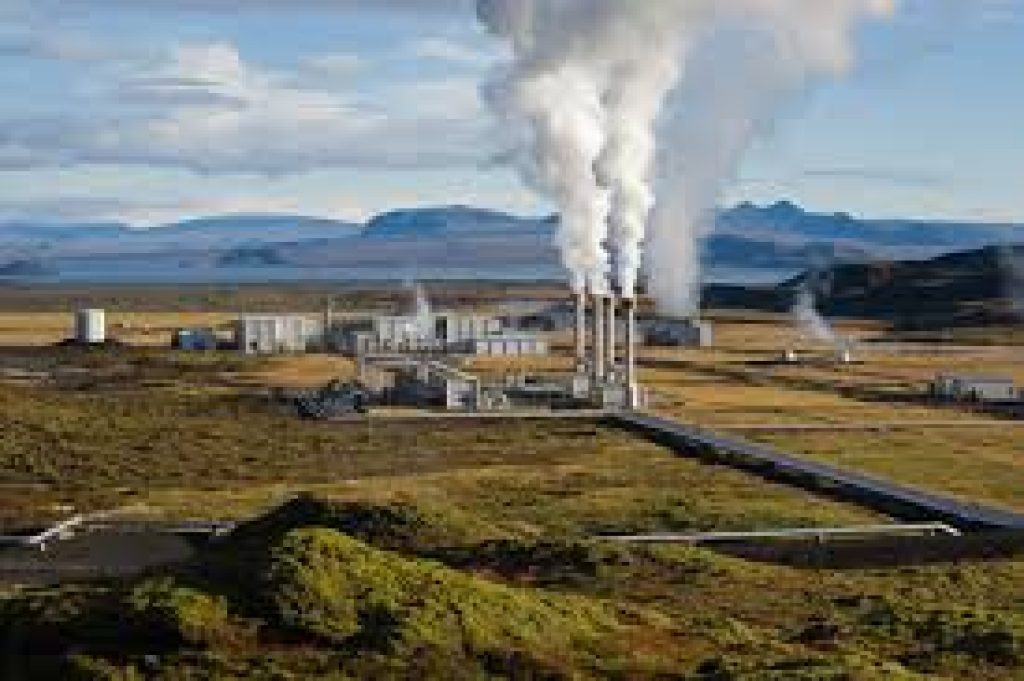
Geothermal energy is heat that comes from the Earth. It is a renewable resource that we can use for heating, cooling, and electricity generation. Because the core of Earth continues to produce heat, geothermal energy is sustainable.
Geothermal Energy works….
- Electricity Generation: Geothermal electricity generation employs steam from underground reservoirs to spin turbines, generating electricity.
- Heating and Cooling: Geothermal heat pumps use the Earth’s relatively constant temperature near the surface to heat or cool buildings.
- Use directly: Geothermal heat can be used to heat buildings, heat greenhouses, heat aquaculture systems, and heat industrial processes.
Some key points about geothermal energy: - Renewable: The heat below the surface of the Earth will exist for generations. Because the Earth continues to produce this heat, geothermal energy is renewable.
- Reliable: Unlike solar or wind power, the heat from the Earth can be accessed 24 hours a day, 7 days a week.
- Clean: Geothermal energy does not emit greenhouse gases like fossil fuels do.
- Wide Range of Uses: Geothermal energy can be used for a wide range of uses, from powering homes to large-scale electricity generation.
- Cost-Effective: The fuel (which is the heat from the Earth) is free once the geothermal system is built. Because we can take advantage of this free fuel, our operating costs are lower.
- Spatially Diverse: Geothermal resources are located in diverse areas of the country—not just areas of volcanic activity.
Some examples of geothermal energy uses: - Geothermal Heat Pumps (GHPs): GHP or ground source heat pump systems use the relatively stable temperature of the Earth to efficiently heat and cool buildings.
- Geothermal Power Plants: Geothermal power plants use steam from deep underground reservoirs to produce electricity.
- Direct Use Applications: The use of geothermal energy directly to heat buildings, greenhouses, aquaculture systems, and industrial processes.