
Gingee Fort Nominated for UNESCO World Heritage Site

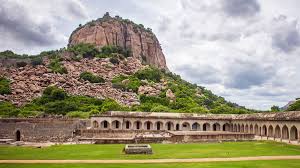
Gingee Fort in the Villupuram district of Tamil Nadu, India, was awarded a UNESCO World Heritage Site designation at the World Heritage Committee’s 47th session, in Paris. The fort is one of twelve forts in India that comprise a designation of the Maratha Military Landscapes which is part of the criteria of recognizing a culturally significant site on a global level.
Global Honor for Gingee Fort
Gingee Fort, also known as the “Troy of the East,” is one of the oldest and most distinctive forts in South India, was the only site from Tamil Nadu in contention this year for the UNESCO World Heritage title. The fort is included in twelve additional forts from the Maratha period that form the basis of the nomination called ‘Maratha Military Landscapes,’ which exhibits military engineering, strategic design, and historical significance.
With this designation, the fort will be featured on a globally significant historical framework, receive funding opportunities toward the preservation of the fort and allow promotion of tourism to the fort. The fort will be made a priority with potential for international and domestic tourism.
Decision Made at UNESCO Committee Meeting
The announcement was made during the on-going 47th session of the UNESCO World Heritage Committee, during which entry point educations were made for the state of Tamil Nadu and proud moment for India to be recognized for its legacy and historic architecture and military history.
India’s officials and people with heritage experience were supporting the idea of consideration on whether or not the nomination had educational and heritage significance, which was an achievement. The local administration has considered the chaos of tourism possibilities in considering an upgrading of education service at the fort.
About the Fort and Its Importance
Gingee Fort located in Villupuram district, Gingee Fort dates back to the 9th century and has seen the rule of various dynasties including the Cholas, Vijayanagar Empire, Marathas, Mughals, and British. Known for its unique hilltop structure and strong fortification, the fort has often been praised for its military strength and strategic design.
One of its most famous structures is the Kalyana Mahal, a tower-like building often highlighted in tourism promotions. The fort played an important role in South Indian military history and is a symbol of Tamil Nadu’s rich heritage.