
Green Revolution in India

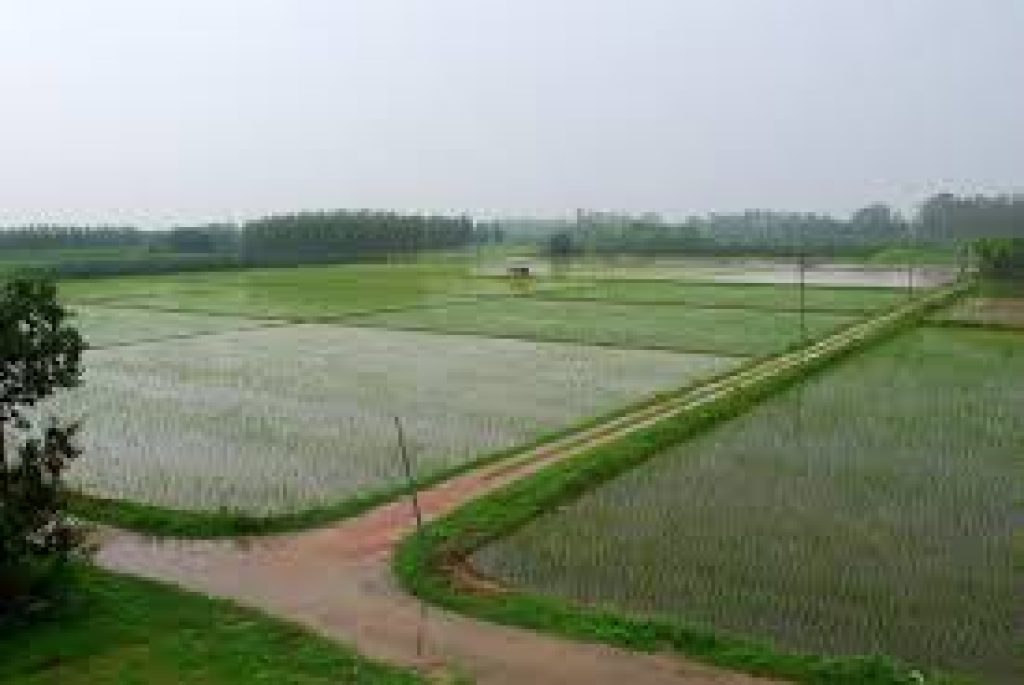
The Green Revolution in India was a period of agricultural growth steroids in the 1960s. The movement aimed at food shortages and famine. The Green Revolution shifted India from a food-deficient country to one of self-sufficiency.
How did the Green Revolution happen?
- High-yielding seeds: New, high yielding varieties of wheat and rice were developed.
- Modern farming processes: Chemical fertilizers, pesticides, and improved irrigation were incorporated.
- Mechanization: New farming tools and machines allowed for faster methods and less labor.
Who was responsible for the Green Revolution? - Dr. M.S. Swaminathan, known as the “Father of the Green Revolution in India”.
- Agronomist Norman Borlaug, who supported the movement.
What was the impact of the Green Revolution? - The Green Revolution had its biggest impact in Punjab, Haryana, and Western Uttar Pradesh.
- The Green Revolution created a major impact on the overall rise in foodgrain production.
- The Green Revolution created problems like soil degradation and overuse of water resources.
Government support - The Government provided state subsidies, electrical power, water, fertilizers, and credit to the farmers.
- Agricultural income was not taxable.
- The Government investment in agriculture as a whole increased significantly.