
ITER | The Future of Fusion Energy

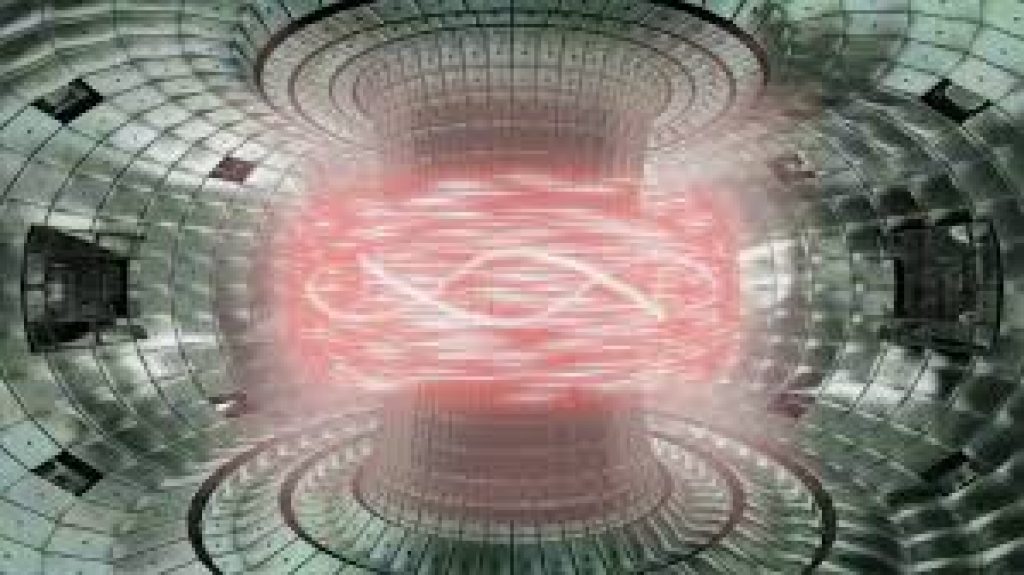
The International Thermonuclear Experimental Reactor (ITER) is the largest and most advanced tokamak-based fusion reactor in the world, currently being built in France. This ambitious project is a collaboration among 35 nations, including the United States, China, India, Japan, Korea, Russia, and the European Union. ITER’s goal is to harness magnetic confinement fusion as a sustainable, carbon-free, and virtually limitless energy source. The main objective is to achieve “burning plasma,” a state where the fusion reaction can maintain itself by keeping enough heat within the plasma. While ITER won’t produce electricity, it represents a vital experimental step toward the development of future commercial fusion power plants.
Objectives of ITER
Investigate and demonstrate burning plasma (self-heating plasma)
- ITER is the first burning plasma device in the world.
- It aims to create self-sustaining fusion reactions where heat from fusion remains confined within the plasma.
Attain a fusion gain of more than 10 for a longer duration
- ITER aims to deliver 500 MW of thermal power, 10 times the input power (50 MW).
- The goal is to sustain the reaction for 400 to 600 seconds.
Test tritium breeding
- Develop tritium breeding modules to enable future reactors to become self-sufficient in tritium fuel.
- Demonstrate the safety characteristics of a fusion device
- Establish fusion as a low-risk, environmentally friendly energy source.
- Contribute to the technological advancement of fusion power plants
- Provide research insights for commercial fusion energy production.