
PM Modi Launches Next-Generation GST Reforms: Effective from 22 Sept 2025

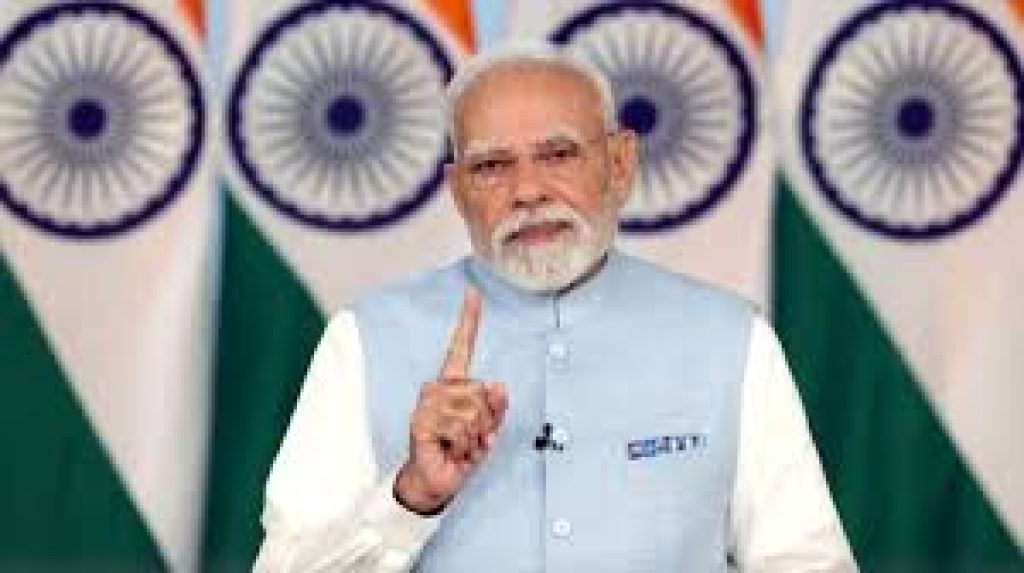
On September 21, 2025, Prime Minister Narendra Modi spoke to the nation, introducing exciting Next-Generation GST reforms set to take effect on September 22. He announced “GST Bachat Utsav,” highlighting how this new system aims to help families save more, lower the prices of essential goods, and bolster Aatmanirbhar Bharat by supporting MSMEs and local manufacturing.
Key highlights of Next-Generation GST Reforms 2025
- New GST Structure: Only 5% and 18% slabs will remain.
- Lower Costs: Items like food, medicines, soap, toothbrushes, toothpaste, health and life insurance will now attract either 0% or 5% tax.
- Savings Festival: The Government estimates that citizens will save over INR 2.5 lakh crore every year once the GST implementation and income tax changes are fully integrated.
- Support to MSMEs: Simplified tax structures to help small businesses, cottage industries, and entrepreneurs.
- Swadeshi Push: Citizens will be urge to buy and sell Made in India products to enhance self-reliance.
- The government has introduced relaxations to ease compliance for businesses.
- These changes also ensure that consumers benefit from the reduced GST.
- Manufacturers, packers, and importers can choose to add revised price stickers.
- This applies to unsold stock manufactured before the GST revision date.
- The original Maximum Retail Price (MRP) must remain visible.
- The new price label must not cover or obscure the original MRP.
- The use of revised stickers is voluntary and not legally required.
- This requirement under Rule 18(3) has now been removed.
- Businesses now only need to share updated price lists with wholesalers and retailers.
- Firms are allowed to continue using old packaging material.
- This applies to wrappers printed before the GST rate change.
- They can use such materials until March 31, 2026, or until stock is exhausted.
- Prices on old packaging can be corrected using stamps, stickers, or online printing.
- Corrections can be made anywhere on the package where clearly visible.
- The government has also urged businesses to spread awareness.
- Manufacturers, importers, and packers should inform dealers, retailers, and consumers.
- They should clearly communicate the revised GST rates.
- They are encouraged to use all available communication channels.
- This includes electronic media, print outlets, and social media platforms.