
Privileges of the President of India

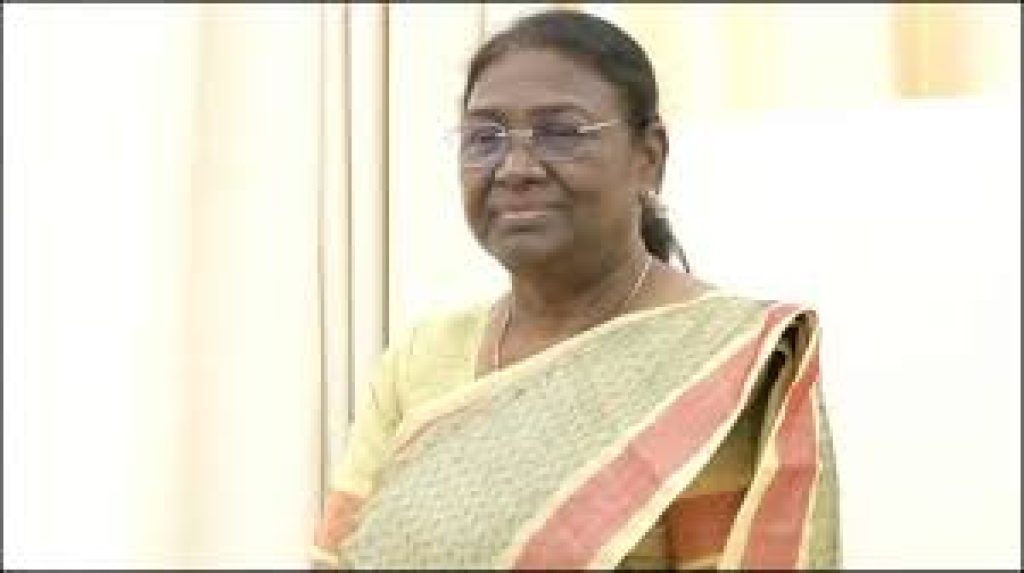
The President of India is a nominal chief of the Indian state. There is a provision in the Constitution of India for a President of India under Article 52. The executive decisions are carried out in the name of the President and thus the President holds the position of formal executive head of the state of India.
The Privileges of the President of India: Article 361
The privileges enjoyed by the President of India, and found in Article 361 of the Indian constitution:
- The President of India is not liable to any court for any judicial interference for the exercise of his powers and the performance of the duties assigned to that office, or doing any act in the exercise of those powers and duties or he purported to do anything in exercising those powers and duties as President of India.
- Any such court, tribunal, or other body which has been established and constituted by the Lok Sabha or Rajya Sabha for the purpose of undertaking a review of the conduct of the Indian President, for the purpose of investigating any allegations or accusations against him, for the purpose of impeachment under Article 61 of the Indian constitution.
- The immunity from being liable to any other person under any suit in any court for compensatory relief or damages or injuries or restoration of rights in value or nature, that the President may enjoy, does not prevent any person from proceeding against any representative of the Government of India.
- Under this article, the President cannot be subject to any criminal proceedings that may be undertaken or persisted with whilst he occupies the office of President of India.
- During the term of the office of the President, no court can issue arrest or imprisonment of the President of India.
Other than the privileges of the President determined by the Parliament, a wide range of powers is enjoyed by the President of India.
Executive Powers
Under Article 53 of the Constitution of India, all executive powers of the state are to be exercised by the President. The President of India can exercise her powers directly or through the subordinate officers, in accordance with the provisions of Constitution.
The powers of the President in exercising executive powers are:
- Appointment of the Prime Minister and his Council of Ministers, and other high dignitaries;
- Appointments of the judges of the Supreme Court and the High Courts;
- Appointments to the office of Governors of the states, Attorney General of India, Chief Election Commissioner of India, Comptroller and Auditor General of India;
- Other appointments to Union Territories and locally administered areas;
- Removal of a Governor of a state, a Council of Ministers; and Auditor General of India;
- The President also exercises the prerogative of being informed about the affairs of the country.
Legislative privileges enjoyed by the President.
- The President gives the opening address to the Parliament of India during the budget session.
- The power to dissolve the Lower House can be exercised by the President.
- If there is a deadlock in a procedure of legislation between the Lower House and the Upper House of the Parliament, the President can exercise his right to summon a joint session of both the Houses.
- In relation to any changes carried out in the boundaries of the existing states, creation of a new state, or a change in the name of a state, the sanction by the President is mandatory.
- The consent by the President is required by the legislative provisions which are related to the citizen’s Fundamental Rights.
- For any bill having been passed by the Parliament of India to become a law of the state, the consent of the President is mandatory.
- The approval of the President is also mandatory for the money bill which is produced in the Lower House.
- While the Parliament is not in session, the President of India has the power to promulgate ordinances.
- The members (who are to be nominated) of both the Houses of Parliament are nominated by the President.
Financial Powers
Furthermore, there are few financial powers that also vest with the Indian President. In order to introduce a money bill into the Lower House, it requires the prior assent of the Indian President. The Budget of the Union is presented before the highest legislative body, the Parliament, by the Indian President. The Contingency Fund of India is also vested with the President.
The Indian President also exercises the power to constitute a Finance Commission once in five years.
Military Powers
The President of India is the Supreme Commander of the Indian Armed Forces under Article 53. But the domain of the provision cannot be cut down as there are no such specific principles that were provided.
In capacity of the Commander of all three forces, the President exercises his power to declare war on a foreign state or declare peace with a country on advice provided by the Council of Ministers led by the Prime Minister. Also, any treaties to be signed with a foreign state are signed in the name of the President of India.
Summary
The President of India if the nominal head of the state and certain privileges and powers are extended to the President. The privileges granted to the President are also discussed under Article 361 of the Constitution of India. The powers exercised by the President are understood under these heads- executive, financial, legislative, judicial, diplomatic, military, veto and emergency power of the President.