
Rivers and geography of Northeast India

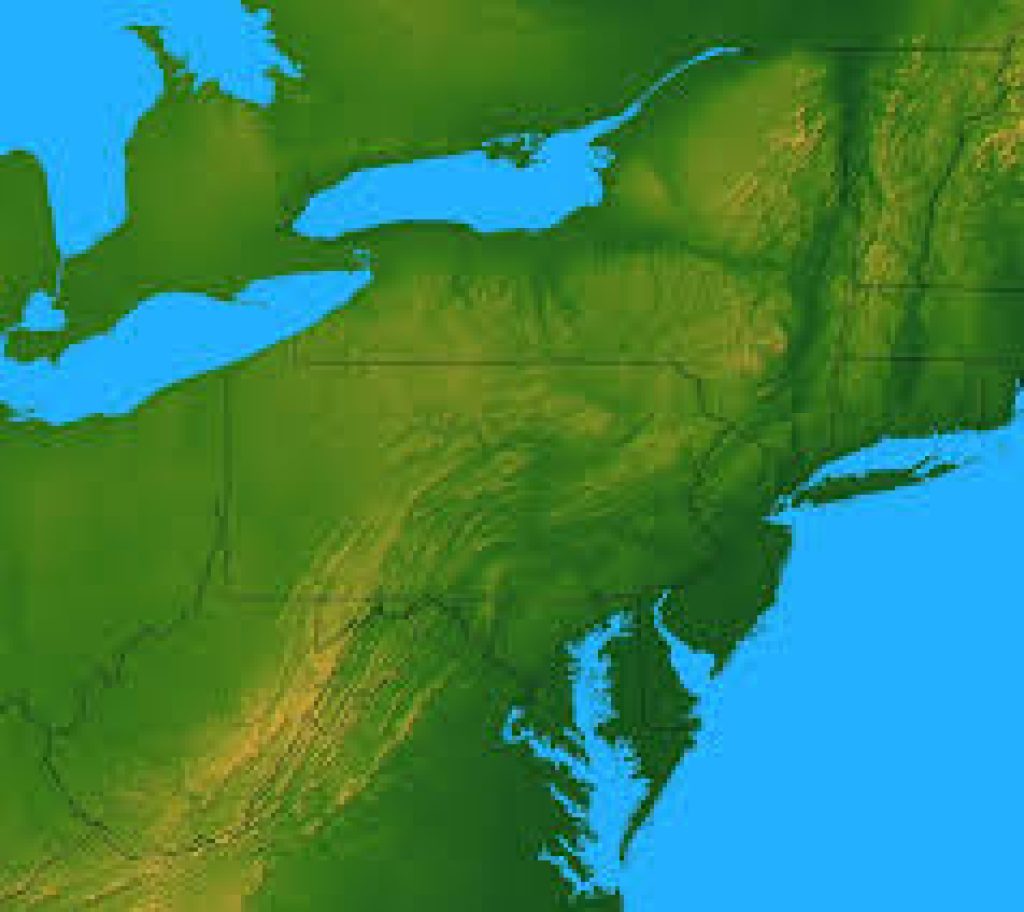
The geography of northeast India is multifaceted. The important geography of the northeast India includes the Brahmaputra Valley, the Barak River system, and other rivers flowing south to Bangladesh and Myanmar. The geography of the northeast includes mountainous landscapes to plains, along with a wide flat feature of the Brahmaputra Plain.
Key Geographical Features of the Region
• Mountains and Hills
The East Himalaya and Patkai mountain range are important geographical features of the area. The East Himalayas and Patkai is mountainous and rugged with steep ascents, even though numerous valleys and plains exist between.
• Plateaus
The Meghalaya Plateau and Karbi Plateau are other important geographical features which land at different altitudes.
• The Brahmaputra Valley
This wide river valley that runs east to west across Assam is another significant geographical feature.
• The Barak River Valley
Another primary river valley, this area is located towards the southern ends of the area.
• Plains
There are small plains which are located between the hills of Meghalaya and Tripura.
Major River System
• The Brahmaputra:
The Brahmaputra is a major river which flows from the Himalaya, is referred to by different names along the way and flows through Arunachal Pradesh, Assam, Bangladesh, and into the Bay of Bengal. The Brahmaputra is known as Yarlong Tsangpo (Tibet), Siang (Arunachal Pradesh) and Brahmaputra (Assam).
• The Barak:
Another major river that flows through Manipur and Assam, the Barak flows into Bangladesh and the Meghna River.
• Other Rivers:
There numerous lesser rivers into Bangladesh and Myanmar being the Gumti, Myntdu, Kaladan, and Manipur rivers.
Climate and Rainfall:
• High Rainfall:
Northeast India gets high rainfall, especially during the monsoon season.
• Climate Impacts in the Northeast:
There are growing concerns about climate change impacting water resources and rainfall in the northeast. The Northeastern climate is experiencing noticeable changes that are expected to increase in the future. Between 1895 and 2011, temperatures rose by almost 2°F and projections indicate warming of 4.5°F to 10°F by the 2080s. The frequency, intensity, and length of heat waves is also expected to increase. The total amount of precipitation and the frequency of heavy precipitation events has also risen in the region. Between 1958 and 2012, the Northeast saw more than a 70% increase in the amount of rainfall measured during heavy precipitation events, more than in any other region in the United States. Projections indicate continuing increases in precipitation, especially in winter and spring and in northern parts of the region. However, the timing of winter and spring precipitation could lead to drought conditions in summer as warmer temperatures increase evaporation and accelerate snow melt.