
Satras of Assam

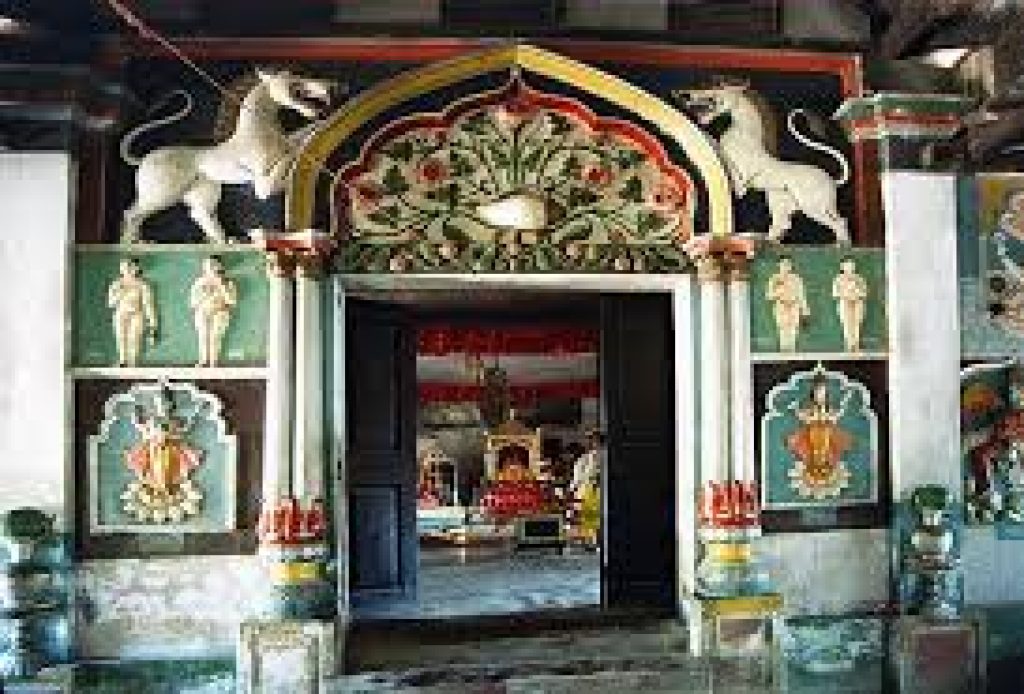
Majuli, one of the largest inhabited river islands in the world, has a number of satras – Vaishnavite monasteries, some of which are 16th century. The Institution of Satra is a unique phenomenon in Vaishnavism in Assam, established by Sankardeva, the father of Assamese culture, the satras are much more than monasteries, they are centers for the traditional performing arts.
The first Satra was set up in Majuli in the 15th century. Sixty five Satras have been established since then, to propagate ethics and socio-cultural ideals. However, there are currently only twenty-two Satr as in Majuli, as the others had to be displaced to more secure locations due to the devastation of flood and erosion.
The satras typically consist of a large prayer hall facing a simple sanctuary, with dormitories and bathing tanks for the bhakats on each side of the hall.
The Satras provide facility for staying guests, and the devotees and visiting guests who stay, not only participate in the worship of Vishnu and Krishna, but also have the opportunity to witness bhaona performances, in the same hall. Young bhakats – celibates, great artisans that they are, commonly make masks, musical instruments, hand-fans and door frames. There are some very interesting satras, to mention a few, Auni-ati, Kamalabari, Dakhinpat, Garamur, Samaguri, Bengena-ati and Natun Kamalabari.
Auniati satra
Founded by Niranjan Pathakdeva, the Satra is famous for “Paalnaam” and Apsara dances. Also remarkable is it’s extensive assortment of ancient artefacts, Assamese old utensils, jewellery and handicrafts.
Dakhinpat Satra
Founded by Banamalidev, an exponent of Raasleela, which is now observed as one of the main festivals of Assam. During Rasotsava several thousand devotees visit these holy Satras every year.
Garamur Satra
Founded by Lakshmikantadeva. During the end of Autumn, traditional Raasleela (co-acting) is shown with great enthusiasm. Some ancient weapons called “Bortop” (canons) are preserved here.
Kamalabari Satra
Founded by Bedulapadma Ata, it is a centre of art, culture, literature and classical studies. The finest boats on the island are made here. It’s branch, Uttar Kamalabari Satra, has showcased the Satria Art in several states of India and abroad.
Bengenaati Satra
It is a storehouse of antiques of cultural importance and an advanced centre of performing art. Muraridev, the grand son of Sankardeva’s step mother founded this Satra. The royal robes belonging to the Ahom king Swargadeo Gadadhar Singha, is preserved here. Also on display is the royal gold umbrella.
Shamaguri Satra : Shamaguri Satra is known globally for the art of mask-making. The best time to visit, is during the Raas festival, which takes place in November. Auni-ati is famous for Paalnaam and Apsara dance. This site also houses various ancient Assamese artifacts, utensils, jewelry and handicrafts. Dakhinpat is the foremost site of Rasleela whereas Samaguri is world renowned for making masks.
At Garamur, medieval weapons, such as the bartop (cannon), have been preserved. Kamalabari is known for building the best boats and Bengena-ati is famous for performing arts. At this site, the royal gold umbrella and the gilded robe of Ahom king Swargadeo Gadadhar Singha have also been preserved.
Auni-ati and similar sites promote the song and dance forms of Shri. Sankaradeva (Borgeet, Bhatima, Jumora, Chali, Paalnaam, Noyua, Apsara, Satriya Krshna, etc), as well as all other crafts, of which mask-making is particularly important one!