
The Assam Riots (Rangiya)

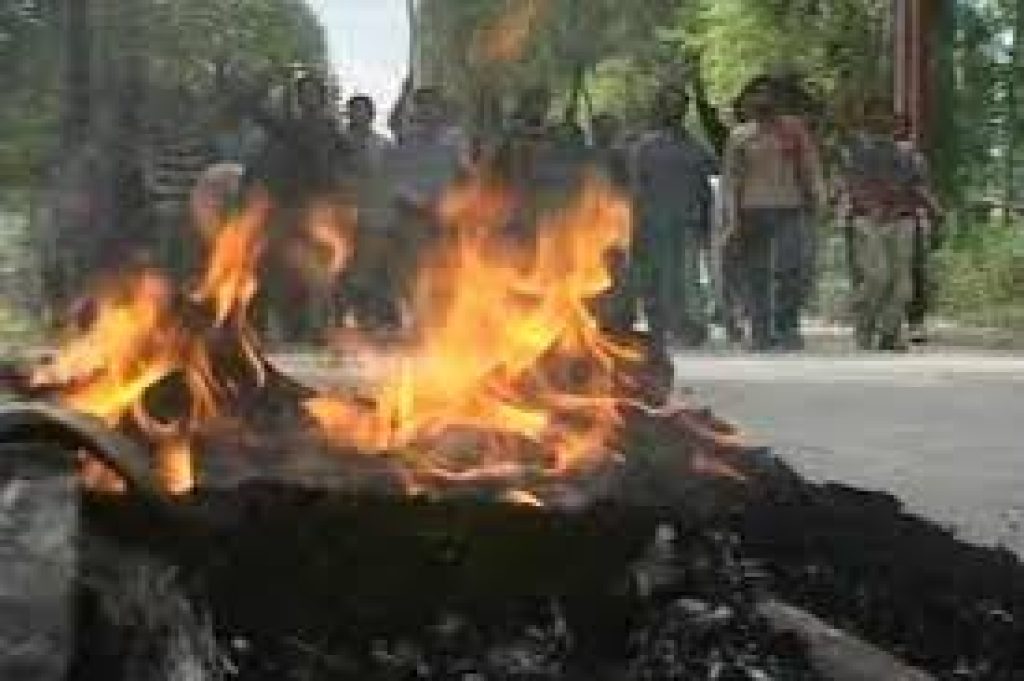
The Assam Riot is an event that is paramount in the history of Assam’s peasant revolt. In the years of 1893-94, the peasants of Rangiya Village, in the Kamrup district or Assam arose against the British government, because they wanted the taxes lowered. Sir William Ward who was the then, Chief Commissioner of Assam had raised taxes by 70 to 80%, driving the peasants below the poverty line. The one thing people of Assam were willing to fight for, who gained a living from agriculture, was their livelihood.
The peasants of Assam were able to organize non-revenant campaigns in a couple of districts, but Rangiya in the Kamrup District was an active area for peasant uprisings. The Raijmel was also a prominent part of the peasant revolt. Raijmels were the assemblies of the people, which served the judiciary of the village and during colonial rule was a common platform for protesting peasants against issues such as high taxes or revenue rates. The Raijmel passed a resolution that the peasants of Rangiya would refuse to pay revenue. On 09 December 1893 the peasants farmers organized a series of demonstrations, followed outside the Rangiya Thana or police station on 10 January 1894 where thousands had appeared. The chanting protestors shouted that they were not going to pay taxes. During this period of thousands were chanting, demonstrating, the Deputy Commissioner MC Cabe ordered the military and armed civil police to fire on the demonstrators with the purpose of dispersing the protesters. Within the carnage and brutality that followed left a number of people dead. Several leaders were arrested and where the protest ended.
The Assam Riots symbolized the strength and power of the masses and peasants in particular. This incident saw the peasants emerge as a major force, as they confronted the British authorities fearlessly to protest their exploitative demands.