May 2025

Slave dynasty

Slave dynasty

The Slave Dynasty, also referred to as the Mamluk Dynasty, was the initial ruling dynasty of the Delhi Sultanate, founded by Qutb-ud-din Aibak in 1206 AD and continuing through to 1290 AD, establishing Muslim dominance in India. Key Aspects of the Slave Dynasty: Founding and Rulers: Origin of the Name: The name “Slave Dynasty” or “Mamluk Dynasty” is derived from the fact that most of the rulers, such as Aibak and Iltutmish, were of slave or Mamluk background, i.e., “owned” in Arabic. Significance: Notable Rulers and Achievements: •

Slave dynasty Read More »

Shanghai Cooperation Organisation (SCO)

Shanghai Cooperation Organisation (SCO)

The Shanghai Cooperation Organisation (SCO) is an intergovernmental regional body established in 2001 in Shanghai, China. It is among the largest transnational organisations by geographical scale and population and has considerable influence in regional security, economic cooperation, and political stability within Eurasia. Member States As of 2024, the SCO includes 9 full member states: Additionally,

Shanghai Cooperation Organisation (SCO) Read More »

Sustainable Alternative Towards Affordable Transportation (SATAT )

Sustainable Alternative Towards Affordable Transportation (SATAT )

The SATAT (Sustainable Alternative Towards Affordable Transportation) scheme, introduced by the Indian government in 2018, is all about boosting the production and use of Compressed Bio Gas (CBG) as a greener fuel option. It encourages entrepreneurs to establish CBG plants, helping to cut down on our dependence on fossil fuels. Goals and Objectives: How it

Sustainable Alternative Towards Affordable Transportation (SATAT ) Read More »

Sangeet Natak Akademi

Sangeet Natak Akademi

Sangeet Natak Akademi, India’s premier institution for Music, Dance, and Drama, was set up in 1953 by the Government of India. It is an autonomous body under the Ministry of Culture, is committed to promoting and preserving the diverse and rich heritage of India’s performing arts. Vision and Objectives The Akademi was created to: Major

Sangeet Natak Akademi Read More »

Partition of Bengal

Partition of Bengal

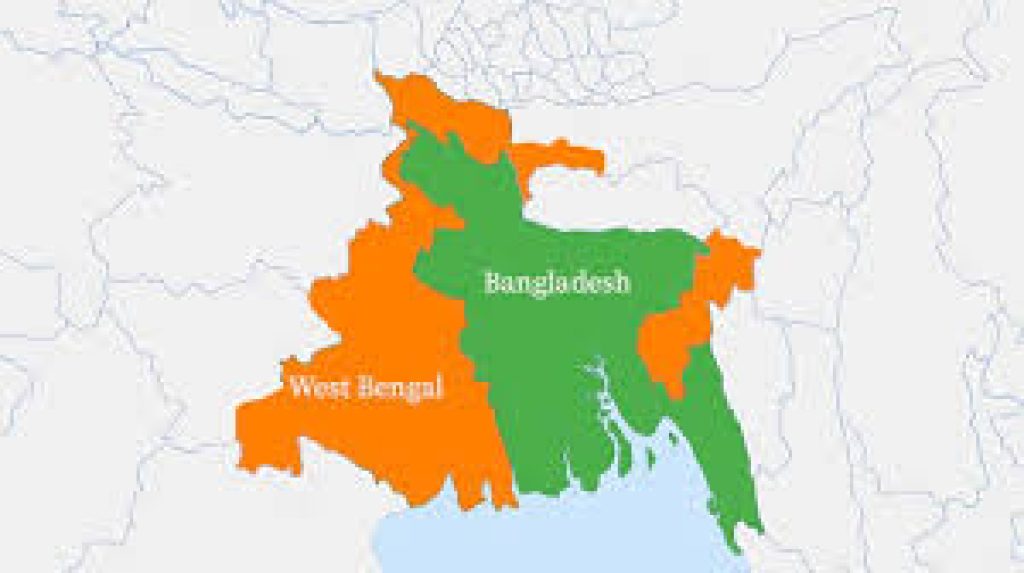
The Partition of Bengal in 1905 was a significant move by the British Raj, aimed at splitting Bengal into two separate provinces: Eastern Bengal and Assam, and West Bengal. This decision was made public in July 1905 and officially came into effect on October 16, 1905. How it happened Detailed Breakdown: Background & the Partition

Partition of Bengal Read More »

National Girl Child Day

National Girl Child Day

National Girl Child Day is observed every year on January 24th in India. This important day was launched in 2008 by the Ministry of Women and Child Development to raise awareness about the rights of girls and to shed light on the inequalities they face in Indian society. Objective • Promoting gender equality • Increasing

National Girl Child Day Read More »

Naranarayan Setu

Naranarayan Setu

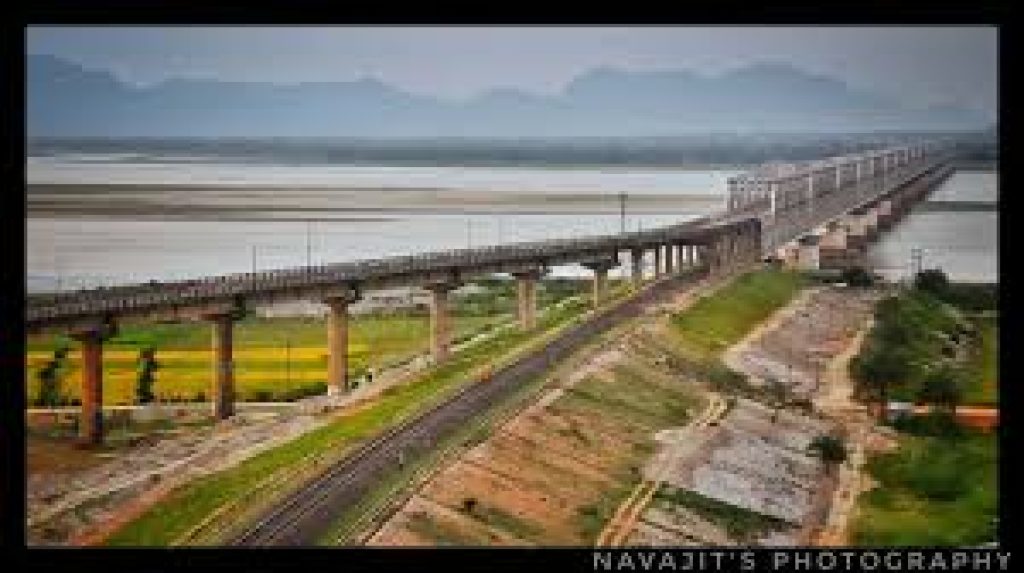
Naranarayan Setu is the third bridge built over the Brahmaputra River in Assam, India. This impressive double-deck bridge features a railway track on the lower level and a road on the upper level. Stretching 2.284 kilometers, it connects Jogighopa, a town in Bongaigaon District to the north, with Pancharatna, a town in Goalpara District to

Naranarayan Setu Read More »

Scroll to Top