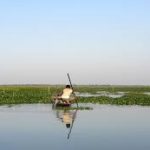
Assam has many wetlands, including the Ramsar site Deepor Beel, and is having problems including encroachment and climate change. Some wetlands are even disappearing.
Here is a fuller description of the wetlands of Assam:
Wetlands of Assam:
- Deepor Beel:
Located on the outskirts of Guwahati, Deepor Beel (a freshwater lake) is the only Ramsar site in Assam, an internationally important wetland for biodiversity and migratory birds. - Son Beel:
Son Beel is a seasonal wetland located in Karimganj district. It has an astonishing picturesque landscape, a fishery and the Hizol trees (Barringtonia Acutangula). - Silsako Beel:
Silsako Beel is a large urban water body located near Guwahati. The water body is important in terms of storm water runoff, and of biodiversity. - Borsola-Sorusola:
Another wetland in the Guwahati region. This area is one of the wetland areas of Guwahati that are protected under the Guwahati Water Bodies (Preservation and Conservation) Act. - Other Beels:
There are many more “beels” (lakes) and wetlands in Assam, some of these include: Maguri Motapung Beel, Dora Beel, Chandubi Lake, and Urpad Beel.
Importance of Wetlands: - Biodiversity:
Wetlands of Assam are a significant habitat for enormous varieties of flora and fauna , including many bird species, fish, aquatic plants. - Flood Control:
Wetlands can have a very important role in managing floodwaters. Wetlands act as natural storage areas which can lessen the impacts of heavy rainfalls. - Water Supply:
Wetlands are often sources of freshwater and provide a portion of the area’s water requirements. - Livelihoods:
Wetlands represent an important resource for the livelihoods of many communities in Assam, e.g., fishing.
Wetland Threats:
- Encroachment:
Illegal development of wetlands is a serious issue in Assam. - Siltation:
Siltation of wetlands is a problem in dealing with wetlands through re-filling, and the filling up of wetlands with soil and sediment caused mostly through deforestation and bad land use practices. - Pollution:
Pollution from industrial and agricultural practices and land runoff has a detrimental impact on wetland ecosystems. - Climate Change:
Changes in rainfall patterns and rising sea level (inundation) can also have a detrimental effect on wetland and their ecosystems. - Over-fishing:
Over-fishing and unsustainable fishing practices, such as using small mesh sized nets, more often result in depletion of fish species and some damage to our wetland ecosystem.
Conservation efforts: - Ramsar Site Status:
Deepor Beel’s designation as a Ramsar site is evidence of the site’s global significance and the importance to act to protect the site. - Legal Protection of Wetlands:
The Guwahati Water Bodies (Preservation and Conservation) Act is a legal framework in place to protect wetland sites in Guwahati. - Restoration of Wetlands:
The Guwahati Metropolitan Development Authority (GMDA) are working to restore the wetlands in Guwahati. - Community Involvement:
Community buy-in and participation in wetland conservation are fundamental to sustainable and long-term success of wetland conservation action plans.