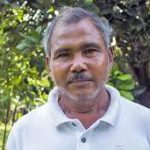
Jadav “Molai” Payeng, more famously known as the “Forest Man of India”, is an environmental activist and forestry worker from the State of Assam. Payeng was born in the Mishing tribe of Majuli (the world’s largest river island) in 1959 and has emerged as an example of one person’s commitment to environmental conservation.
The Birth of Molai Forest
In 1979, Payeng observed floods destroying a sandbar located in the Brahmaputra River. The flooding had caused many snakes to die while attempting to shelter. This event was the catalyst for action. Payeng began the forest restoration process with bamboo saplings by planting trees on the island that resulted from the sandbar as well as on other barren islands located in Kokilamukh in the Jorhat district. After 40 years of exhaustive effort, Payeng completed the full restoration of what is now known as Molai Forest and encompasses roughly 1,360 acres (550 hectares) of flourishing forest.
Biodiversity and Impact
Molai Forest is a highly biodiverse region. It includes a variety of trees, flowers, animal, etc. Molai Forest contains Bengal tigers, Indian rhinoceroses, deer, rabbits, monkeys, and many different varieties of birds (including vultures). There is even a herd of approximately 100 elephants that visit the forest frequently, often for months at a time during the summer! Payeng is successful in these forest reclamation efforts due particularly to his decision to plant native tree species that grow in the local environment while also supporting biodiversity.
Recognition and Legacy
For his remarkable contribution to preserving the environment, Jadav Payeng was awarded the Padma Shri, one of India’s greatest civilian awards, in 2015. Jadav’s story has inspired books and documentaries that showcase what one person’s devotion to the environment can do.