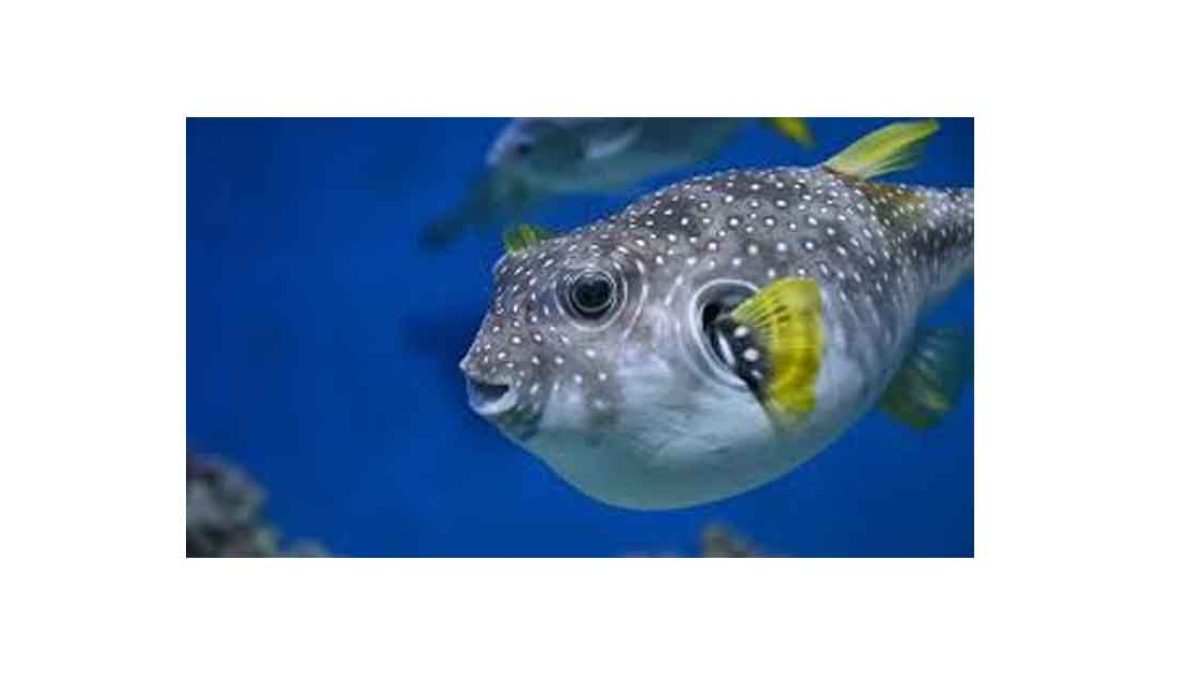
India has reported its first scientifically verified case of pufferfish poisoning, with the incident documented from Gujarat, drawing attention to gaps in freshwater fish toxin surveillance and public awareness.
The Brahmaputra river system has gained attention following India’s first scientifically confirmed case of freshwater pufferfish poisoning. Freshwater pufferfish are present in the Brahmaputra basin, raising food safety concerns for river-dependent communities in Assam.
These benthic fish inhabit rivers, floodplains and wetlands. Some species carry tetrodotoxin (TTX), a highly potent neurotoxin, posing severe health risks if consumed due to misidentification or poor awareness.
Pufferfish belong to the order Tetraodontiformes and are known locally by names such as toadfish, patkafish, balloonfish and fugu. Global catalogues list approximately 190–193 valid species. Indian waters currently support eight genera and 32 species of pufferfish. Their distribution is specific to certain regions and river systems, primarily the Western Ghats and major basins such as the Ganga, Brahmaputra and Mahanadi.