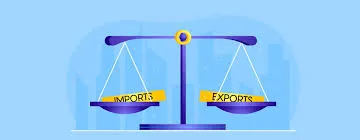
The balance of trade, also referred to as trade balance, is the difference between the total exports and total imports of goods and services in a particular period. A balance of trade is classified as positive, or a surplus, when the exports exceed imports, while a balance of trade is classified as negative, or a deficit, when imports exceed exports. While this is a basic definition of balance of trade, there are several factors and aspects to be considered due to its implications on an economy.
- Definition:
The balance of trade is a major economic indicator and it also indicates the net position of trade with a specific country and the rest of the world, thereby influencing the variable of exchange rate. - Calculation:
Trade balance is calculated by: Total value of exports – Total value of imports - Formula: Balance of Trade = Total Value of Exports – Total Value of Imports
Trade Surplus:
A positive trade balance (exported more than imported) indicates that a country has a trade surplus. This means that a country is selling more goods and services to other countries than it is buying.
Trade Deficit:
A negative trade balance (imported more than exported) indicates that a country has a trade deficit. This means that a country is buying more goods and services from other countries than it is selling.
Importance:
The balance of trade is an important economic indicator of the economic health and competitive nature of a particular country.
Factors that Impact Balance of Trade:
A variety of factors may influence a country’s balance of trade, such as:
- Exchange rates: Changes in exchange rates may affect competitiveness of its exports and imports.
- Trade policies: Tariffs and quotas can impact trade flows of goods and services.
- Economic conditions: The level of economic growth or recession within the country or its trading partners may influence trade flows.
- Production costs: Production costs may vary between countries and affect a country’s competitiveness in international markets.