

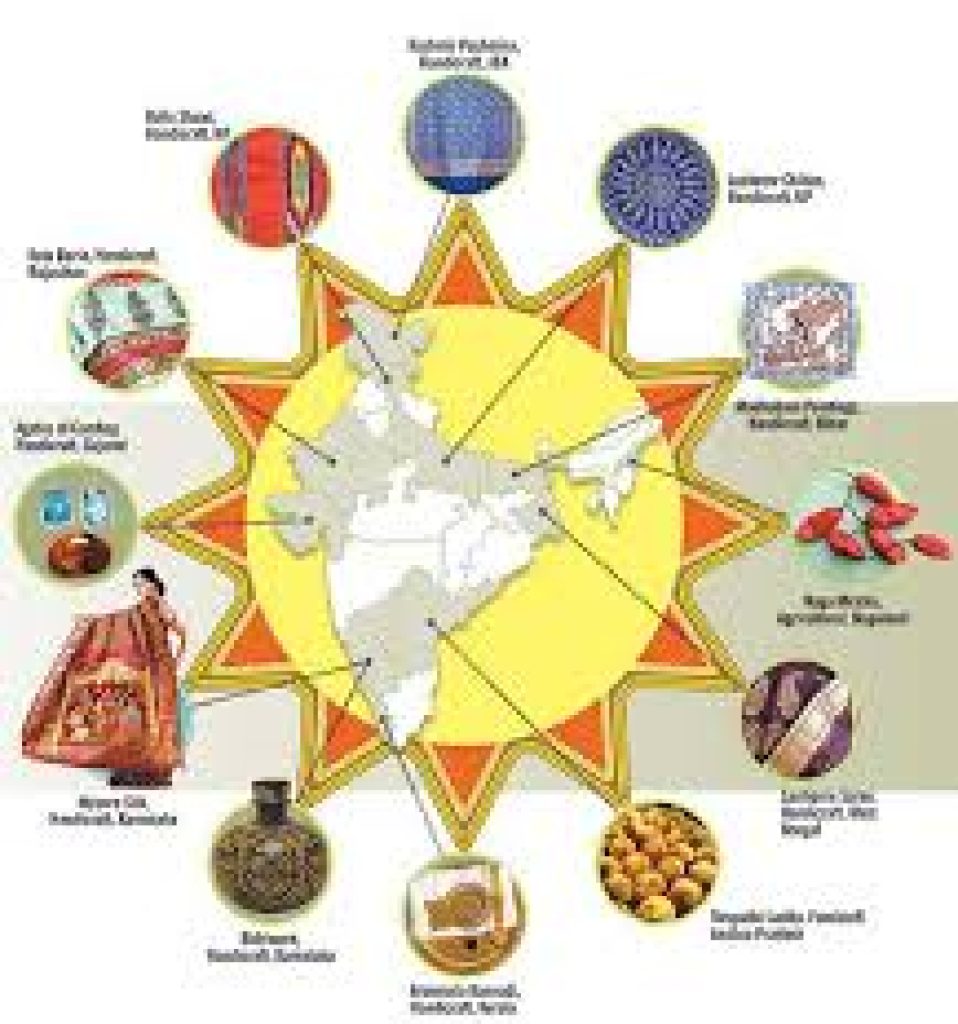
The Geographical Indications of Goods (Registration and Protection) Act, 1999, is all about registering and safeguarding geographical indications (GIs) in India. This law makes sure that products tied to specific locations and boasting unique qualities get the recognition and protection they deserve.
What is a Geographical Indication (GI)?
A Geographical Indication (GI) is a special kind of intellectual property right that helps identify products as coming from a particular place. The unique qualities, reputation, or other traits of these goods are closely linked to their origin. For instance, think of “Darjeeling Tea” or “Mysore Silk.” The GI label acts as a badge of authenticity, ensuring that the product’s regional identity is recognized and certified.
Key Features of the Act:
- Registration:
The Act allows for the registration of GIs, which provides legal protection against unauthorized use.
- Protection:
The Act prohibits the use of GI-tagged products and their names without authorization.
- Administration:
The Act is administered by the Controller General of Patents, Designs and Trade Marks, who is the Registrar of Geographical Indications.
- Registry:
The Geographical Indications Registry is located in Chennai.
- Scope:
The Act covers agricultural, natural, and manufactured goods, including handicrafts and foodstuff.
- Definitions:
The Act defines key terms like “geographical indication”, “goods”, “indication”, “name”, “package”, “producer”, and “prescribed”.
- Offences and Penalties:
The Act outlines offences and penalties for falsifying GIs, selling goods with false GIs, and other related activities.
- Registration Period:
The registration of a geographical indication is for a period of ten years, but may be renewed.
- Part A and Part B of the Register:
The register is divided into two parts: Part A for the particulars relating to the registration of geographical indications and Part B for the particulars relating to the registration of authorized users.