

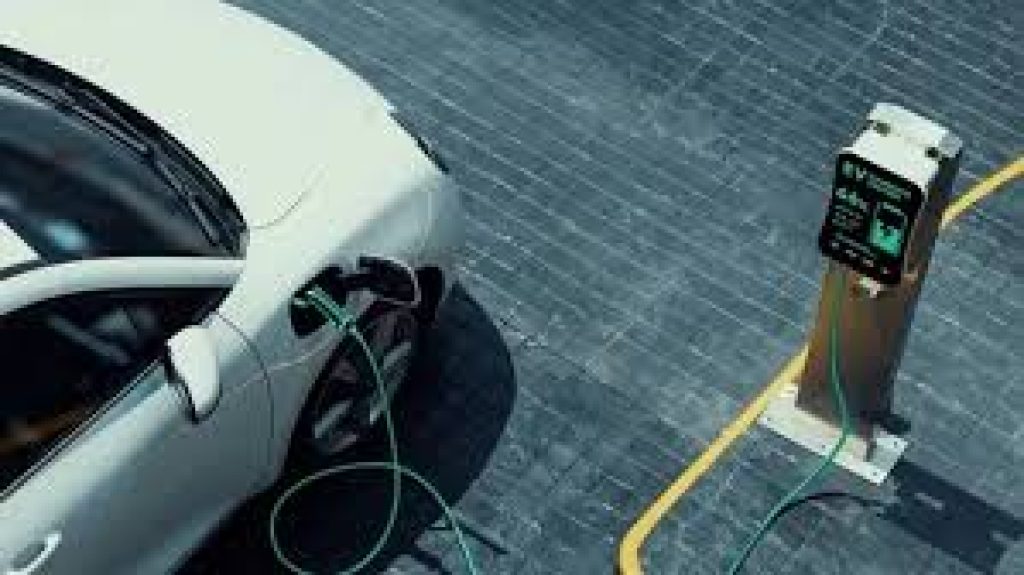
The Government of India has rolled out new operational guidelines to set up more than 72,300 public electric vehicle (EV) charging stations throughout the country. This initiative, part of the PM E-DRIVE scheme, is designed to boost the adoption of EVs by enhancing the availability of charging infrastructure. The Heavy Industries Ministry has introduced a tiered subsidy model to encourage installations at key public and commercial sites.
Subsidy Structure and Eligibility
The scheme features a tiered subsidy aimed at promoting electric vehicle charging infrastructure. Government offices, hospitals, educational institutions, and residential areas can receive a full 100% subsidy on upstream infrastructure and charging equipment, provided they offer free public access. High-traffic public spots like airports, railway stations, metro stations, bus terminals, municipal parking lots, and toll plazas can benefit from an 80% subsidy on upstream infrastructure and 70% on charging equipment. Commercial venues such as shopping malls, markets, and roadside facilities along highways are also eligible for an 80% subsidy on upstream infrastructure. Additionally, battery swapping stations will receive 80% support for upstream costs.
Target Locations and Prioritisation
The scheme focuses on cities with populations over one million, state capitals, smart cities, metro-connected satellite towns, and busy transport corridors. This targeted approach aims to maximize the impact on urban mobility and alleviate range anxiety for EV users. The chosen sites are intended to cover major public transport hubs and commercial complexes, making it easier for people to access charging points.
Implementation and Monitoring
Eligible government agencies will appoint nodal bodies to gather demand and pinpoint priority locations. These bodies will submit consolidated proposals through a dedicated portal. Bharat Heavy Electricals Ltd (BHEL) has been appointed as the Project Implementation Agency (PIA) responsible for overseeing the deployment. The subsidy will be distributed in two phases, tied to compliance and performance benchmarks to ensure quality and effectiveness.
Impact on EV Ecosystem
The rollout of a large-scale charging network is expected to accelerate EV adoption by addressing one of the key barriers—lack of accessible charging points. The scheme’s focus on free public access and coverage of diverse locations will enhance user convenience. It also supports the government’s broader goals of reducing vehicular emissions and promoting sustainable transport.