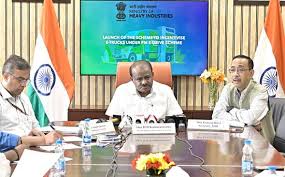
On July 12, 2025, the Government of India implemented its first electric truck (e-truck) subsidy scheme under the PM E-DRIVE initiative. The e-truck subsidy is available, in a maximum amount of ₹9.6 lakh per vehicle, for the purchase of an electric truck. The scheme was announced by Union Minister Sir. H.D. Kumaraswamy and aims to improve clean freight transport while lessening pollution. The PM E-DRIVE initiative is a critical step in Prime Minister Mr. Modi’s green mobility vision and aspiration for net-zero emissions by 2070.
What are some of the Key Aspects of the e-Truck Scheme?
The scheme offers financial incentives to electric trucks under classifications N2 and N3, which covers trucks with gross vehicle weight (GVW) from 3.5 tonne to 55 tonne maximum. The maximum subsidy is ₹9.6 lakh (which is given as an upfront discount) per truck. And, while manufacturers must access the PM E-DRIVE portal on a first-come, first-served basis for reimbursement, MMUT contracts (painfully long) remain standard across India, which foresees that the clearance is fixed for the customer when buying a truck.
The the warranty rules are inclusive of disability criteria to avoid abuse of the subsidization decisions.
Five years (or 5 lakh kms) for each battery; and five years (or 2.5 lakh kms) on electric motor(s) and the vehicle.
Finally, buyers must scrap their decommissioned old polluting diesel truck(s), which will count on not only the diesel number of trucks in an economy but mark a borderline anti-pollution activity.
So, why does this matter to India?
While diesel trucks only comprise roughly 3% of vehicles in India, they account for an astonishing 42% of all transport-linked greenhouse gas emissions; and more importantly, this action for the country represents one of the most immediate and irreversible action towards improving air quality, decreasing carbon emissions and whether it meets the Indonesian aspirations, India’s own environmental aspirations!
India’s scheme is seeking support for a total of 5,600 electric trucks throughout the life of the program. The first 1100 members will be in the NCT of Delhi estimated at a cost of ₹100 crores (negative impact to public sector entity – transportation).
They focus on utilization sectors of cement, steel, ports, and logistics into heavy trucks being commercially utilized to revenues.
Industry participation and Government Push
Some of India’s leading corporate entities, such as Tata Motors, Ashok Leyland, and Volvo Eicher, are kind of presently involved in developing electric trucks. The scheme will help build the domestic electric vehicle (EV) industry in the framework of India’s Atmanirbhar Bharat mission.
Much similarly, the public sector unit SAIL has committed to buying 150 e-trucks, with the aim to electrify 15% of its hired fleet. This could set an example for other government-public sector units to start promoting some form of greening of transport modes.