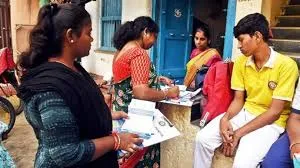
The Government of India announced on June 16, 2025 that national census number 16; as well as the 8th post Independence census will take place in 2027 with caste enumerated for the first time since 2011. The census will be digital, provider self-enumeration and have a rigorous data security regime. This census is a landmark moment for India for demographics, social progression and policy planning.
The Centre notified the anticipated dates of the 2027 decennial census which will involve caste enumeration. This will be the first caste enumeration data collation in India since 2011 or 16 years. The announcement came after a high level review chaired by Union Home Minister Amit Shah.
Key Elements of 2027 Census
• Digital devices to be used by approximately 1.3 lakh functionaries.
• 34 lakh enumerators and supervisors will be involved across India.
• Self-enumeration will be provided to citizens.
• Data security will be stringent across collection, transmission, and storage.
Importance of Caste Enumeration
• Caste data is long requested by political and social groups for targeted welfare.
• The 2027 Census will be the first time caste data collected systematically since 2011.
• Possible implications for policy development on reservation, education, and economic development programs.
Two-Phase Operation
- House Listing Operations (HLO):Covers housing conditions, assets, amenities.
- Population Enumeration (PE): Captures socio-economic, demographic, cultural, and caste details of every individual.
Data Security Measures
- The Ministry of Home Affairs (MHA) assures high-grade security throughout:
- Collection (through digital devices)
- Transmission (encrypted and secure protocols)
- Storage (centralized secure servers)