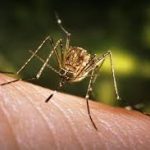
Japanese Encephalitis (JE) is a viral infection of the brain caused by the Japanese Encephalitis virus (JEV), belonging to the genus Flavivirus. It is transmitted by mosquito and mainly affects human and animals in Asia and the Western Pacific.
Transmission
Japanese Encephalitis (JE) is spread through the bites of infected Culex mosquitoes, particularly the Culex tritaeniorhynchus species. These mosquitoes thrive in rice fields and stagnant water pools. The virus moves between mosquitoes, pigs, and wading birds. Unfortunately, humans are just accidental hosts and don’t pass the virus on to others.
Symptoms
- Sudden high fever
- Headache
- Neck stiffness
- Disorientation or confusion
- Seizures
- Paralysis
- Coma
Severe infection can lead to inflammation of the brain (encephalitis), which may cause permanent neurological damage or death. The case fatality rate among those with encephalitis can be as high as 30%.
Diagnosis and Treatment
When it comes to Japanese Encephalitis (JE), there isn’t a specific antiviral treatment available, which makes prevention absolutely essential.
Here are some key strategies to keep in mind:
• The best way to prevent JE is through vaccination.
• Make sure to use mosquito repellents and wear protective clothing.
• Installing mosquito nets is a smart move, especially during the evening and night.
• Implementing environmental control measures can help cut down on mosquito breeding.
In many endemic countries, JE vaccines are part of national immunization programs. For instance, in India, the JE vaccination is included in the Universal Immunization Programme (UIP) for high-risk districts.
Diagnosis and Treatment
Diagnosis is done using ELISA to detect virus-specific IgM antibodies in blood or cerebrospinal fluid. Treatment is supportive, focusing on relieving symptoms and managing complications like seizures and inflammation.