The Non-Cooperation Movement (NCM) was a mass-based political campaign launched by Mahatma Gandhi in 1920 where ordinary people joined together to show their opposition to the British rules. It aimed to get Britain to leave India by using peaceful methods, encouraging Indians to stop helping or working with the British government and its rules. This movement was a really important event in the fight for Indian independence, because it got more people involved in peaceful protests instead of using violence.
Causes of the Non-Cooperation Movement:
Several things happened that made people start the Non-Cooperation Movement.
- Rowlatt Act (1919): This act gave the British government the right to pick up and hold people without any trial, which made a lot of Indians very upset because it took away their freedom in a big way.
- Jallianwala Bagh Massacre (1919): The brutal killing of unarmed peaceful protestors in Amritsar surprised and upset many Indians and made more people feel more hostile toward the British.
- Khilafat Movement (1919-1924): Indian Muslims were worried about the end of the Ottoman Caliphate after World War I, so Mahatma Gandhi showed his support for the Muslims because he thought it would help Indian Hindus and Muslims stick together against the British.
- Desire for Swaraj (Self-Rule): The ultimate goal of the movement was to let India be ruled by its own people, rather than have it under the control of the British. Many Indians started to doubt that peacefully following the law would work and decided to take more obvious and bold steps.
- Economic Hardships: The aftermath of World War I made things much harder for people, especially because prices went up and many lost their jobs, which just made everyone feel even more unhappy.
Key Objectives and Programme of the Non-Cooperation Movement:
Gandhi’s non-cooperation plan included several different steps.
- Surrender of Titles and Honorary Offices: Indians were asked to give up any titles or honors conferred by the British government.
- Resignation from Government Service: There was a call for people to quit their government positions in civil services, police, and army.
- Boycott of Government Institutions: This covered halting the use of schools, colleges, and law courts that were run by the government. Both national schools and Panchayats were put in place as new ways to settle conflicts.
- Boycott of Foreign Goods: People were urged to stop buying British-made products, especially clothing, and use Khadi instead, showing their independence and support for buying goods made locally. People in charge of these burnings usually gathered crowds to see foreign clothes destroyed over flames.
- Boycott of Elections: Indians were told that they should not take part in voting for the legislative councils.
- Non-Payment of Taxes (in the later stages): While initially not a primary part of the programme, the refusal to pay taxes was considered as a potential final step if other methods failed.
Mahatma Gandhi’s Role:
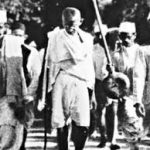
Mahatma Gandhi was the key person behind initiating the Non-Cooperation Movement.
- He explained the idea of non-violent resistance as being at the heart of the movement.
- He toured different parts of the country, encouraging the people, and explaining the core ideas of the movement.
- He led strategy and encouraged millions of Indians to stand up for themselves through peaceful protests.
- He believed that bringing together Hindus and Muslims would be important for the movement and fully supported the movement to preserve the Islamic caliphate.
- He urged people to prioritize helping Khadi, village industries, and unity among groups, while still boycotting British goods.
Impact and Significance of the Non-Cooperation Movement:
- Mass Participation: A huge number of people who joined the NCM were peasants, workers, students, teachers, lawyers, and women. It helped the nationalist movement to involve a larger group of people.
- Hindu-Muslim Unity: During the early days of the movement, unity between Hindus and Muslims grew mainly because of the Khilafat-Non-Cooperation stance.
- Economic Impact: This help-India movement made people support Indian industries and sell things created in India.
- Political Awareness: Through these events, many people in India gained political awareness and began to feel strongly about being Indian. Individuals stopped being afraid of the British government.
- Weakening of British Authority: Many Indians’ refusal to cooperate brought down the strength of British control over India.
- Emergence of Gandhi as a National Leader: The NCM firmly established Mahatma Gandhi as the undisputed leader of the Indian nationalist movement.
Withdrawal of the Movement:
Due to what happened at Chauri Chaura, Mahatma Gandhi decided to call off the Non-Cooperation Movement in February 1922. Gandhi believed that resorting to violence went against non-violence and that many people had not yet learned non-violent techniques.