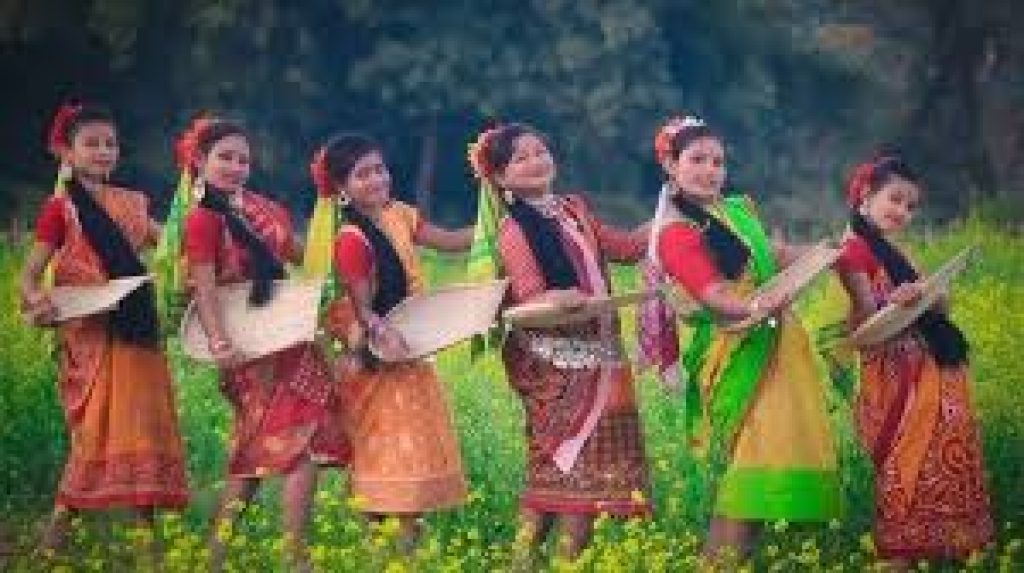
Kushan dance

Kushan dance

Kushan dance, also known as Kushan nritya or Kushan gaan, is a vibrant folk drama form from the Rajbongshi community that draws inspiration from the Krittivasi Ramayan. In this captivating performance, artists tell the story of the Ramayan using the Kamtapuri or Rajbongshi language, all set to beautiful musical verses. This unique form of folk […]

Kushan dance Read More »

Katchatheevu Island

Katchatheevu Island

Katchatheevu is a little, uninhabited island located in the Palk Strait, right between India and Sri Lanka. It has been a hot topic of disagreement between the two countries for many years, mainly due to its historical significance, strategic spot, and fishing rights. Key Facts about Katchatheevu Island: • Location: Palk Strait, situated about 33

Katchatheevu Island Read More »

Joymoti 1935

Joymoti 1935

Released in 1935, Joymoti is recognized as the first Assamese film, a true gem in Indian cinema. The film is based on a play by Lakshminath Bezbaroa that revolves around the life of the 17th-century Ahom princess, Joymoti Konwari. It was produced and directed by the remarkable Jyoti Prasad Agarwala, a celebrated poet, author, and

Joymoti 1935 Read More »

Iron Dome - Air Defense System

Iron Dome – Air Defense System

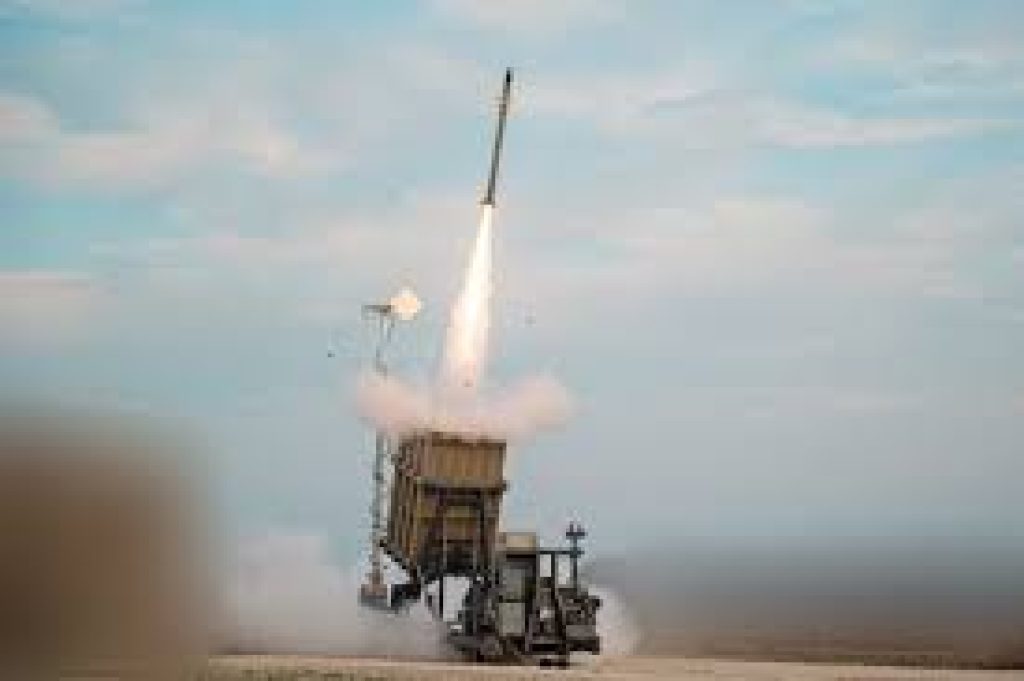
The Iron Dome is an advanced, mobile air defense system developed by Rafael Advanced Defense Systems in collaboration with Israel Aerospace Industries. It’s specifically designed to intercept and eliminate short-range rockets, artillery shells, and mortars that come from distances of 4 to 70 kilometers. It’s especially well-known for its ability to shield civilian areas from

Iron Dome – Air Defense System Read More »

Indian Evidence Act, 1872

Indian Evidence Act, 1872

The Indian Evidence Act, enacted in 1872, serves as the fundamental legislation that dictates the rules of evidence in Indian courts. It specifies what types of evidence are acceptable and the manner in which they should be presented in court. This Act is applicable to both civil and criminal matters and is structured into three

Indian Evidence Act, 1872 Read More »

IGCAR stands for

IGCAR stands for

IGCAR stands for Indira Gandhi Centre for Atomic Research, one of India’s premier nuclear research institutions. It is located in Kalpakkam, Tamil Nadu, and operates under the Department of Atomic Energy (DAE), Government of India. Overview: Major Projects: Prototype Fast Breeder Reactor (PFBR): This is a 500 MW reactor currently under development in Kalpakkam. Fast

IGCAR stands for Read More »

Gyanvapi Mosque

Gyanvapi Mosque

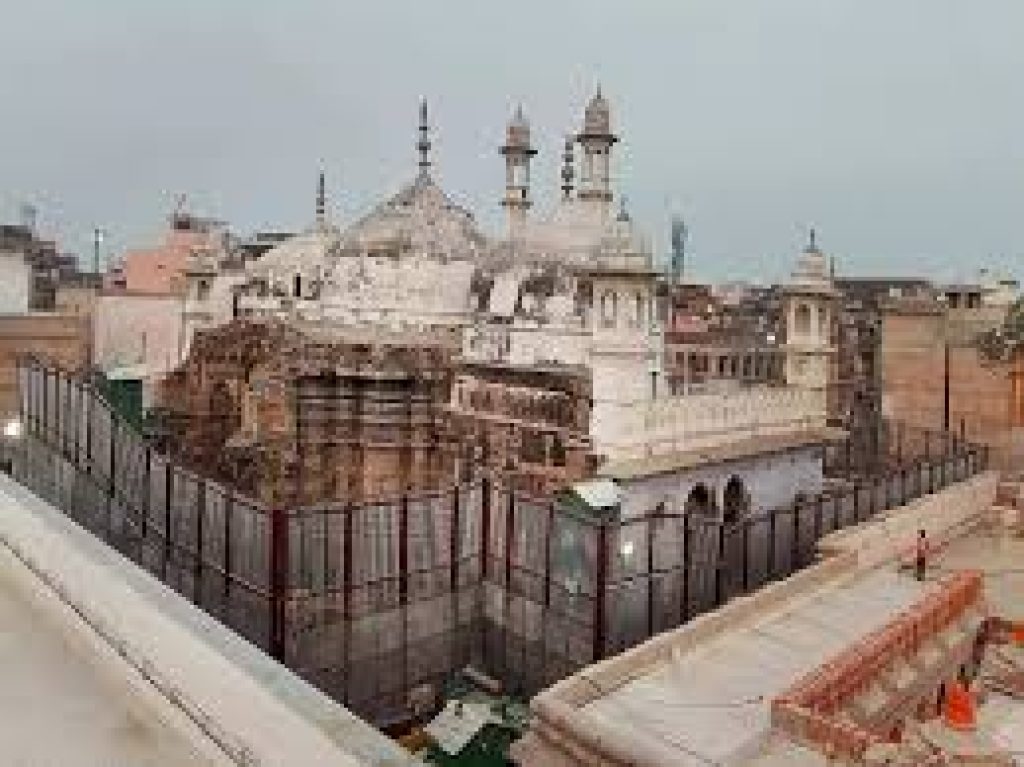
The Gyanvapi Mosque is a historic site nestled in Varanasi, Uttar Pradesh, India, right next to the Kashi Vishwanath Temple, which is one of the most sacred Hindu temples. This mosque has been at the heart of a long-standing conflict between Hindu and Muslim communities. Historical Background The construction of the mosque is said to

Gyanvapi Mosque Read More »

Gulapi Jamur Lagna

Gulapi Jamur Lagna

“Gulapi Jamur Lagna” is a remarkable piece by the Assamese poet, Nilamani Phookan, and it translates to “Pink Fungi Marriage”. He has been honored with the 56th Jnanpith Award and is a poet based in Guwahati. In 1990, he received the Padma Shri, and in 2002, he was awarded the Sahitya Akademi Fellowship. Some of

Gulapi Jamur Lagna Read More »

Geographical Indications of Goods

Geographical Indications of Goods

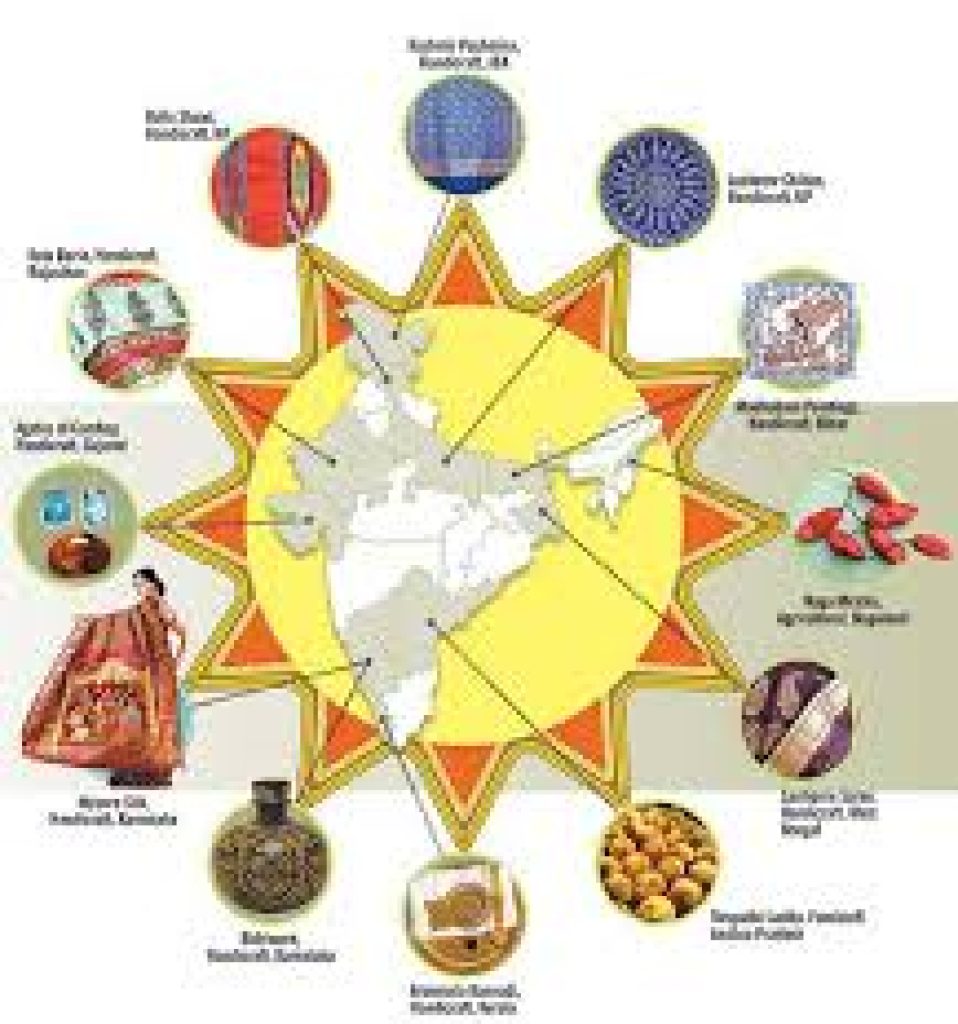
The Geographical Indications of Goods (Registration and Protection) Act, 1999, is all about registering and safeguarding geographical indications (GIs) in India. This law makes sure that products tied to specific locations and boasting unique qualities get the recognition and protection they deserve. What is a Geographical Indication (GI)? A Geographical Indication (GI) is a special

Geographical Indications of Goods Read More »

Scroll to Top