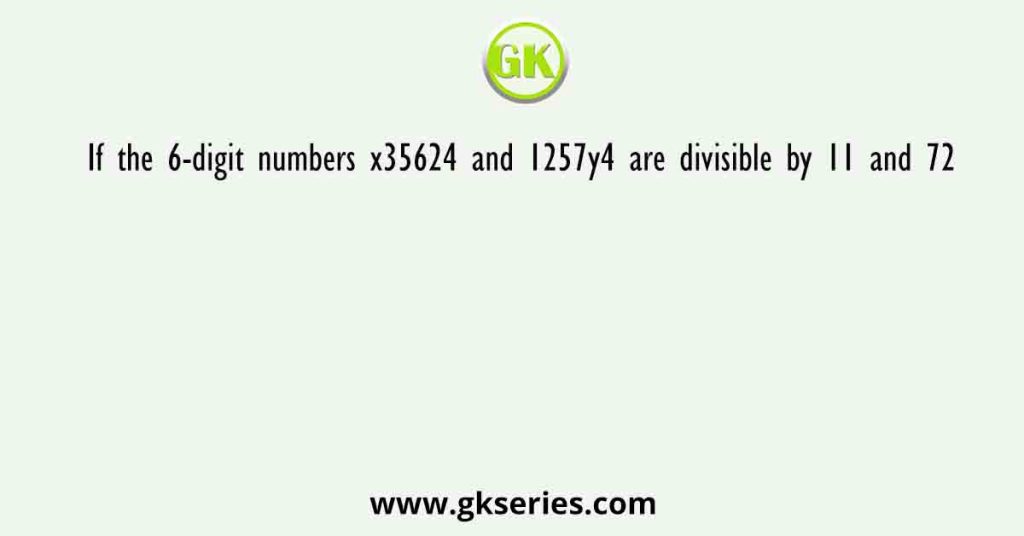
The price of tea increases by 32%, therefore the expenditure on tea increase by 10%. If 10 kg tea was bought earlier

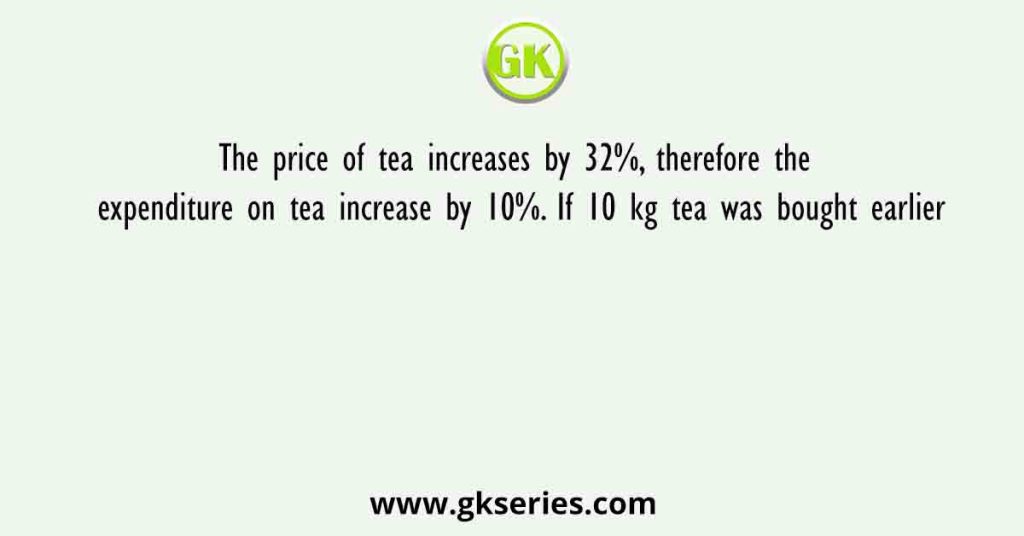
The price of tea increases by 32%, therefore the expenditure on tea increase by 10%. If 10 kg tea was bought earlier

The price of tea increases by 32%, therefore the expenditure on tea increase by 10%. If 10 kg tea was bought earlier, then what is the quantity can buy now? a) 12 kg b) 8 1/3kg c) 6 2/3kg d) 9kg Sol: Let original price of the tea is and consumption after increase in price

The price of tea increases by 32%, therefore the expenditure on tea increase by 10%. If 10 kg tea was bought earlier Read More »

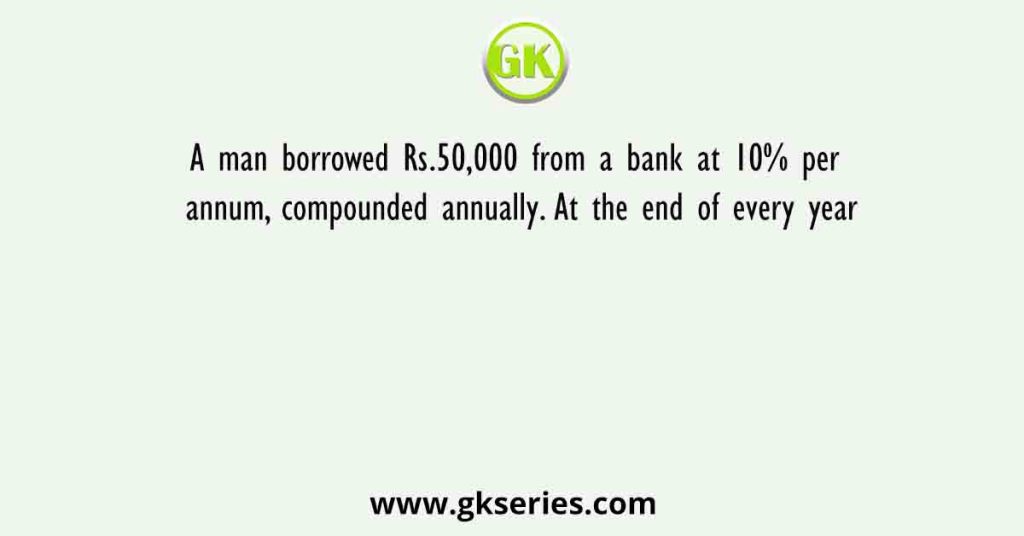
A man borrowed Rs.50,000 from a bank at 10% per annum, compounded annually. At the end of every year

A man borrowed Rs.50,000 from a bank at 10% per annum, compounded annually. At the end of every year

A man borrowed Rs.50,000 from a bank at 10% per annum, compounded annually. At the end of every year, he pays Rs.15,000 as part payment of the loan and interest. How much does he still owe to the bank after three such instalments? a) 17200 b) 16900 c) 15500 d) 14300 Sol: 50000×11/10=55000-15000=40000 40000×11/10=44000-15000=29000 29000×11/10=31900-15000=16900

A man borrowed Rs.50,000 from a bank at 10% per annum, compounded annually. At the end of every year Read More »

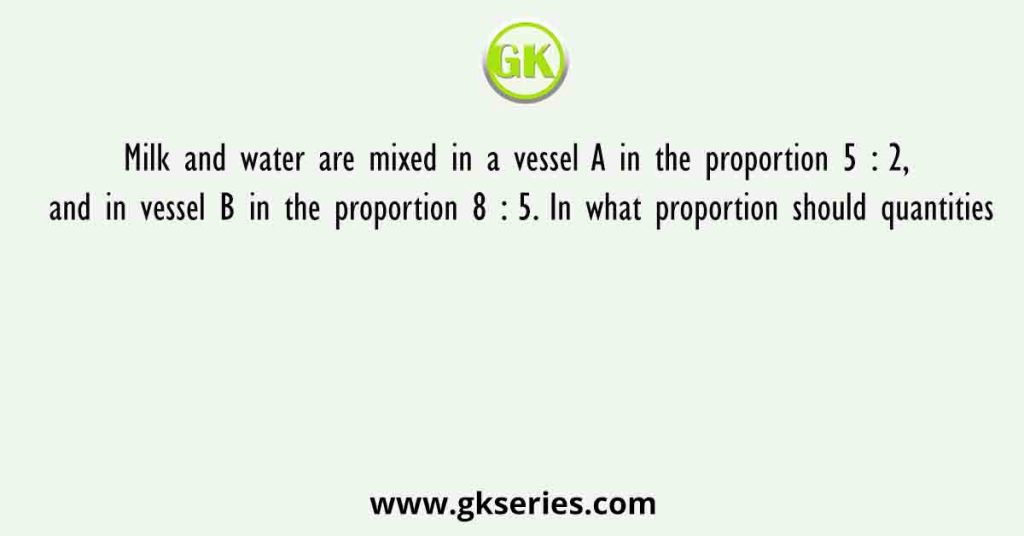
Milk and water are mixed in a vessel A in the proportion 5 : 2, and in vessel B in the proportion 8 : 5. In what proportion should quantities

Milk and water are mixed in a vessel A in the proportion 5 : 2, and in vessel B in the proportion 8 : 5. In what proportion should quantities

Milk and water are mixed in a vessel A in the proportion 5 : 2, and in vessel B in the proportion 8 : 5. In what proportion should quantities be taken from the two vessels so as to form a mixture in which milk and water will be in the proportion of 9 :

Milk and water are mixed in a vessel A in the proportion 5 : 2, and in vessel B in the proportion 8 : 5. In what proportion should quantities Read More »

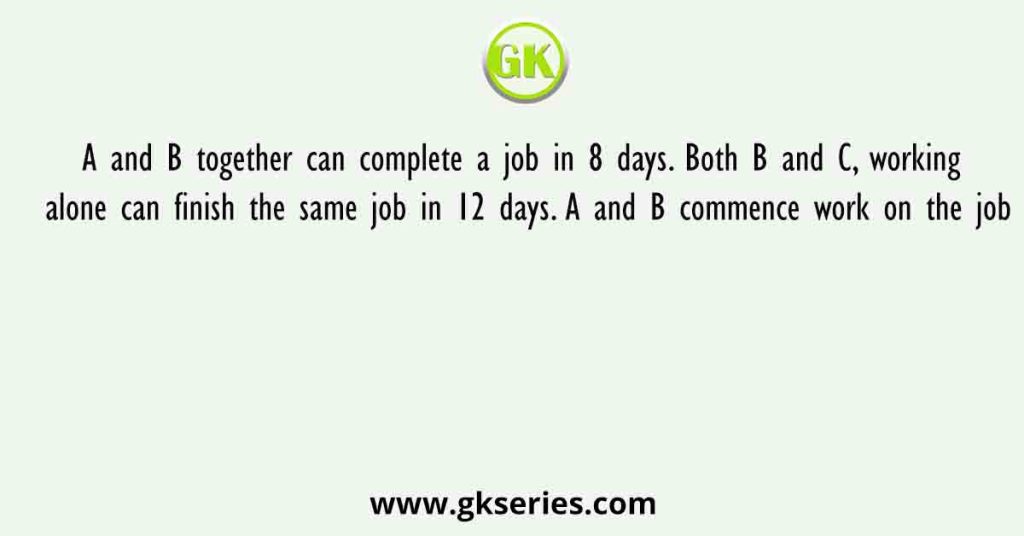
A and B together can complete a job in 8 days. Both B and C, working alone can finish the same job in 12 days. A and B commence work on the job

A and B together can complete a job in 8 days. Both B and C, working alone can finish the same job in 12 days. A and B commence work on the job

A and B together can complete a job in 8 days. Both B and C, working alone can finish the same job in 12 days. A and B commence work on the job, and work for 4 days, whereupon A leaves. B continues for 2 more days, and then he leaves too. C now starts

A and B together can complete a job in 8 days. Both B and C, working alone can finish the same job in 12 days. A and B commence work on the job Read More »

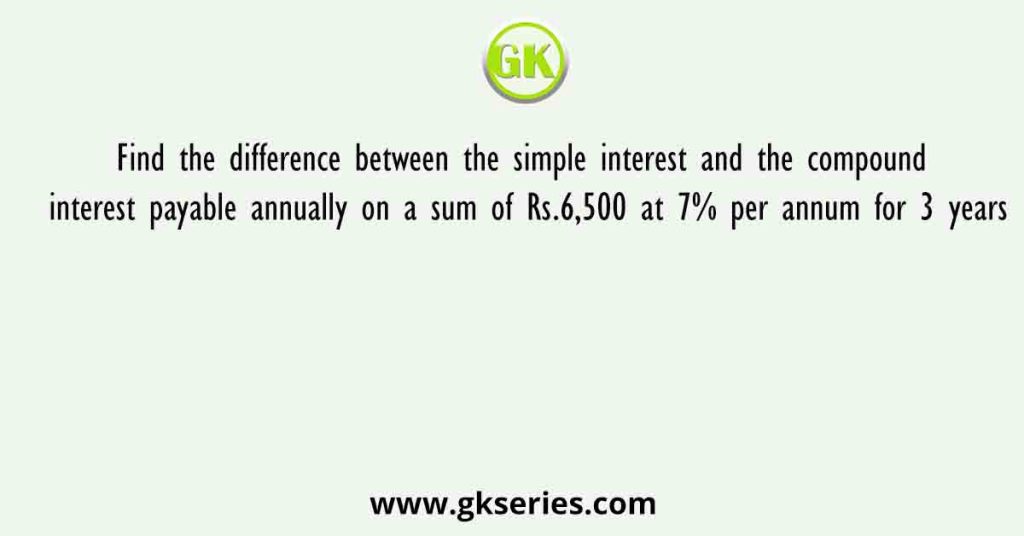
Find the difference between the simple interest and the compound interest payable annually on a sum of Rs.6,500 at 7% per annum for 3 years

Find the difference between the simple interest and the compound interest payable annually on a sum of Rs.6,500 at 7% per annum for 3 years

Find the difference between the simple interest and the compound interest payable annually on a sum of Rs.6,500 at 7% per annum for 3 years. (Correct to two decimal places.) a) 90.90 b) 97.78 c) 92.50 d) 88.80 Sol: 6500×7/100=455 455×7/100=31.85 31.85×7/100=2.295 3(31.85)+2.295=97.78

Find the difference between the simple interest and the compound interest payable annually on a sum of Rs.6,500 at 7% per annum for 3 years Read More »

Scroll to Top