Devadasi nritya

Devadasi nritya

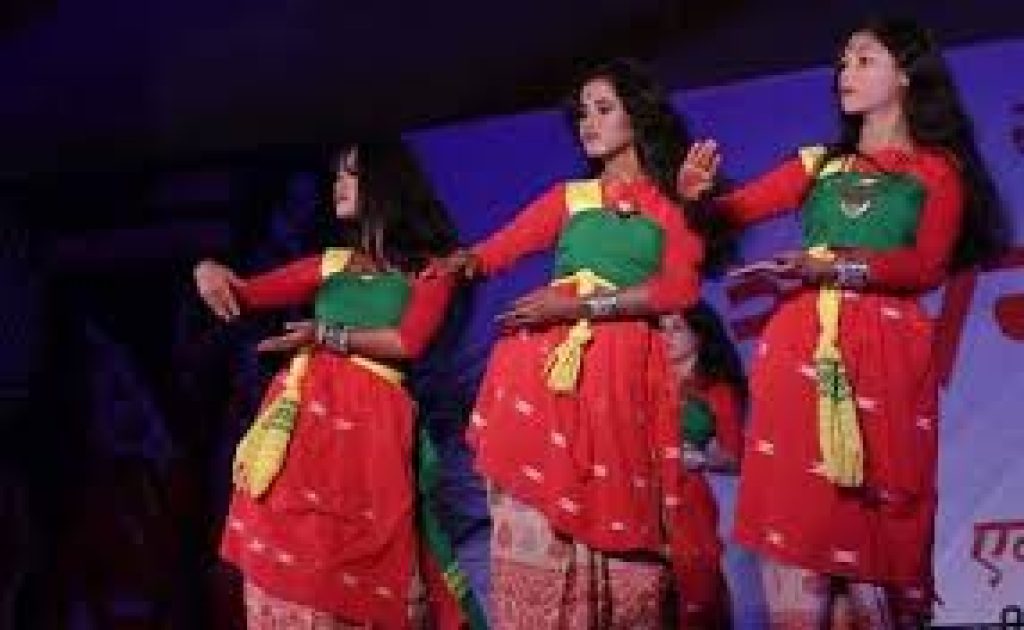
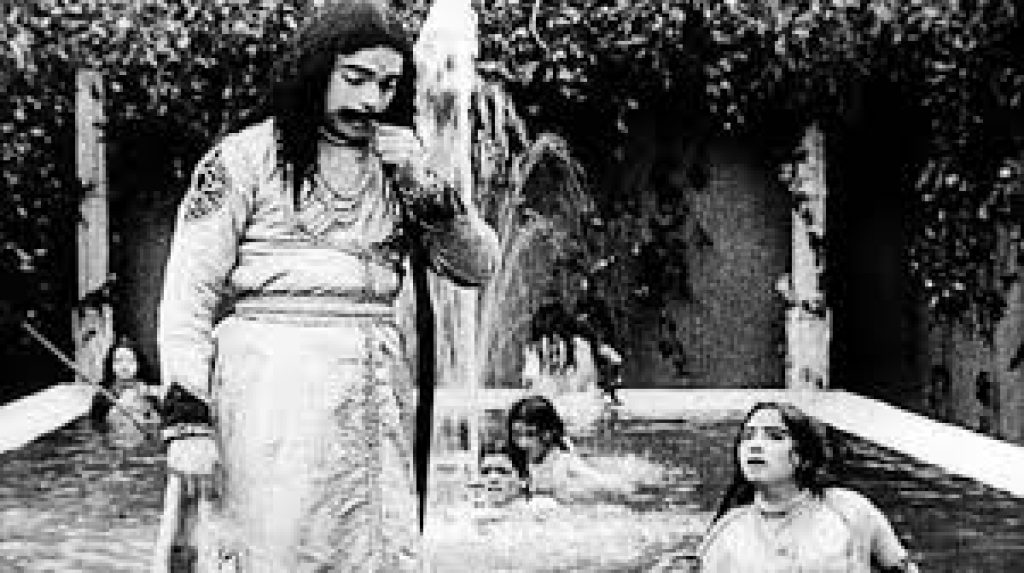
Devadasi nritya, the dance of the Devadasi, is a sacred dance tradition in India where the Temple dancer, the Devadasi, dances to please deities. This dance tradition, especially popular in South India, comes in several forms depending on where the dance is performed, and it is steeped in the culture and traditions of temples and

Devadasi nritya Read More »

Credit subsidy interest relief schemes

Credit subsidy interest relief schemes

Credit subsidy interest relief schemes, which subsidize the interest rate on loans to provide monetary assistance to individual or groups of people borrowing funds, are used to help individuals to borrow money. Examples of credit subsidy schemes are the Credit Linked Subsidy Scheme (CLSS) and the Central Sector Interest Subsidy Scheme (CSIS). The CLSS scheme

Credit subsidy interest relief schemes Read More »

Chhau Dance

Chhau Dance – Indian folk dance

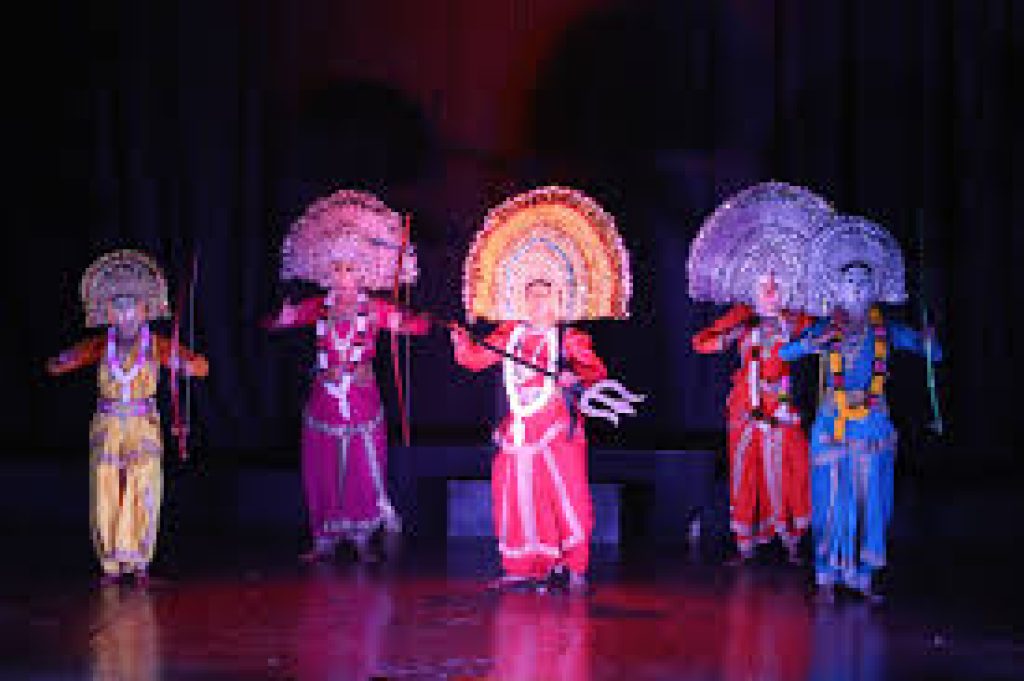
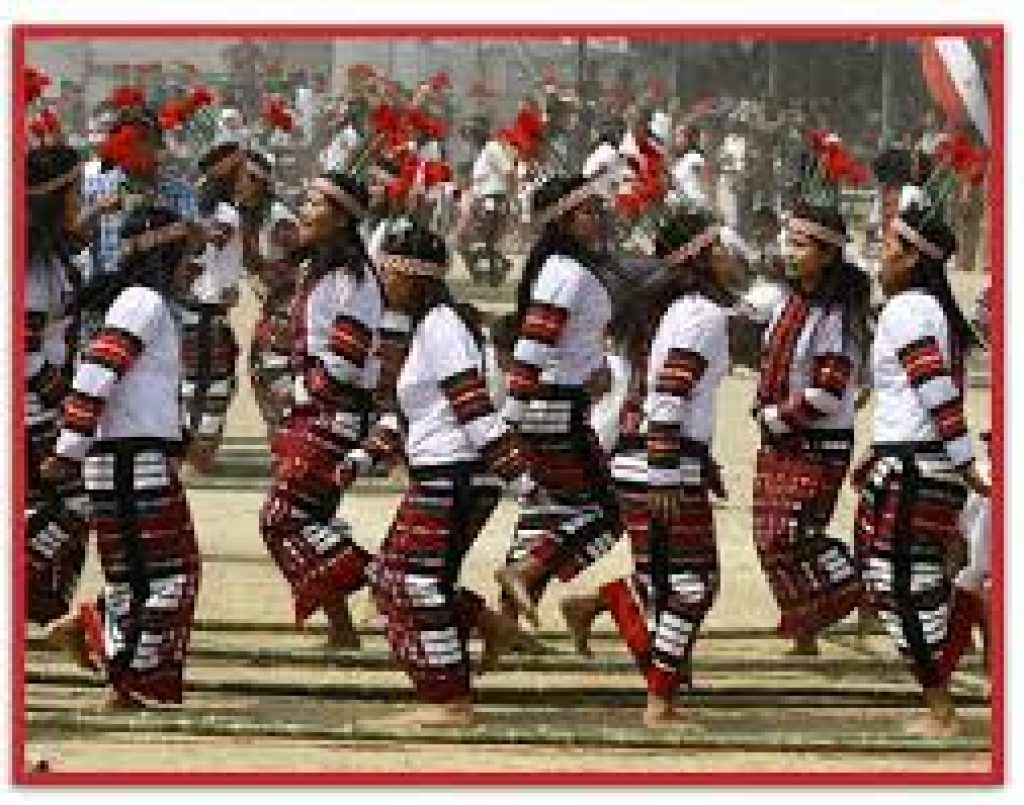
Chhau Dance is a traditional martial dance genre of India characterized by spectacular costumes, energetic movement, and theatricality. This dance genre combines elements of martial arts with tribal traditions and folk theatre, and is primarily performed in Eastern India, specifically the states of Jharkhand, Odisha and West Bengal. Types of Chhau DanceThere are three main

Chhau Dance – Indian folk dance Read More »

Chandela dynasty

Chandela dynasty

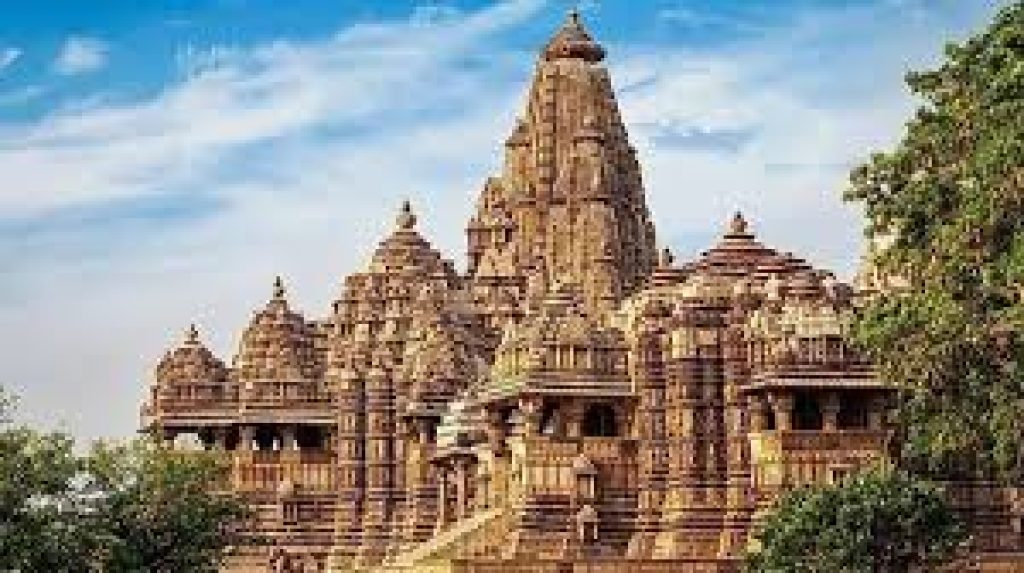
The Chandela dynasty was a royalty line or medieval India ruling dynasty, ruling on the Bundelkhand region (present-day Madhya Pradesh and Uttar Pradesh) from the 9th to the 14th centuries. The Chandela dynasty originated as vassals of the Gurjara-Pratiharas, and slowly increased their territory until they had control of a large portion of the region.

Chandela dynasty Read More »

Barphukanar Geet

Barphukanar Geet

“Barphukanar Geet,” or “The Ballad of Badan Chandra Barphukan,” is among the most important Assamese historical ballads. It tells the story of Badan Chandra Barphukan, a subordinate king of Ahom in Gauhati, and his role of bringing the Burmese to Assam in 1817 AD. It is one of the most important pieces of Assamese folk

Barphukanar Geet Read More »

Scroll to Top