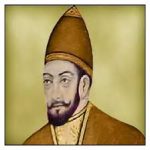
The Slave Dynasty, also referred to as the Mamluk Dynasty, was the initial ruling dynasty of the Delhi Sultanate, founded by Qutb-ud-din Aibak in 1206 AD and continuing through to 1290 AD, establishing Muslim dominance in India.
Key Aspects of the Slave Dynasty:
Founding and Rulers:
- The dynasty was founded by Qutb-ud-din Aibak, a former slave of Muhammad of Ghor.
- Other important rulers are Iltutmish, Razia Sultan (the only and first female ruler of the Delhi Sultanate), and Balban.
- The dynasty was concluded in the overthrow of Qaiqabad by Jalal-ud-din-Firuz Khilji in 1290 and the founding of the Khalji dynasty.
Origin of the Name:
The name “Slave Dynasty” or “Mamluk Dynasty” is derived from the fact that most of the rulers, such as Aibak and Iltutmish, were of slave or Mamluk background, i.e., “owned” in Arabic.
Significance:
- The Slave Dynasty founded the Delhi Sultanate, which was India’s first Muslim-ruled empire.
- They formed major administrative and military institutions that dominated medieval Indian history.
- They oversaw the construction of important monuments like the Quwwat-ul-Islam mosque and the Qutb Minar.
Notable Rulers and Achievements:
• Qutb-ud-din Aibak: Established the dynasty and initiated the building of the Quwwat-ul-Islam mosque and Qutb Minar.
• Iltutmish: Is regarded as the actual founder of the Delhi Sultanate and transferred the capital from Lahore to Delhi.
• Razia Sultan: The first and sole woman ruler of the Delhi Sultanate.
Balban: A tough ruler who accepted the traditions of “Sijda” (prostration) and “Paibos” (kissing the feet) in court.
Decline and End:
• The dynasty declined due to internal conflicts and the rise of powerful nobles.
• The dynasty ended with the overthrow of Qaiqabad by Jalal-ud-din-Firuz Khilji, who established the Khalji dynasty