upsc history quiz

With reference to Indian History, the Members of the Constituent Assembly from the Provinces were

With reference to Indian History, the Members of the Constituent Assembly from the Provinces were

Q. With reference to Indian History, the Members of the Constituent Assembly from the Provinces were (a) directly elected by the people of those Provinces (b) nominated by the Indian National Congress and the Muslim League (c) elected by the Provincial Legislative Assemblies (d) selected by the Government for their expertise in constitutional matters Ans: […]

With reference to Indian History, the Members of the Constituent Assembly from the Provinces were Read More »

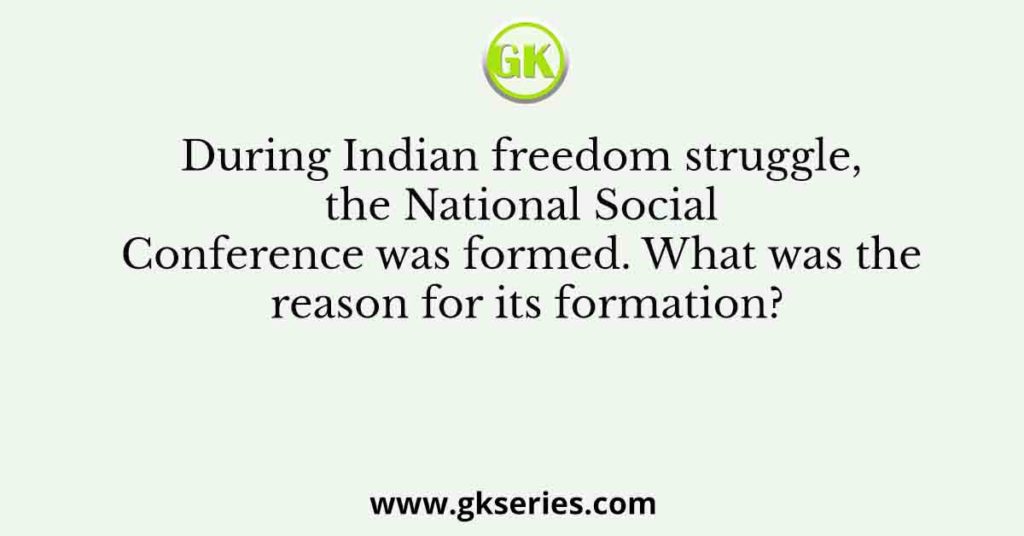
During Indian freedom struggle, the National Social Conference was formed. What was the reason for its formation?

During Indian freedom struggle, the National Social Conference was formed. What was the reason for its formation?

Q. During Indian freedom struggle, the National Social Conference was formed. What was the reason for its formation? (a) Different social reforms groups or organizations of Bengal region united to form a single body to discuss the issues of larger interest and to prepare appropriate petitions/ representations to the government. (b) Indian National Congress did

During Indian freedom struggle, the National Social Conference was formed. What was the reason for its formation? Read More »

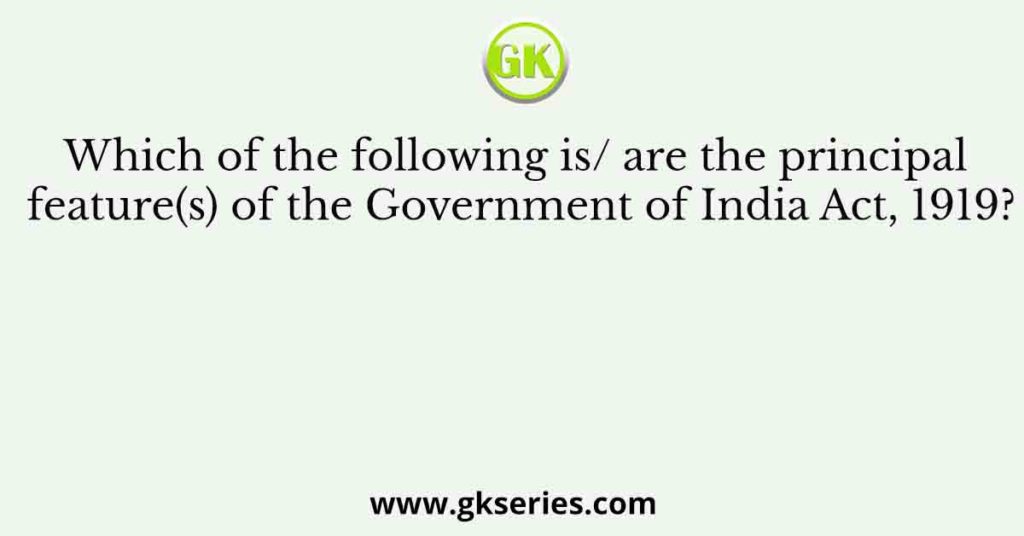
Which of the following is/ are the principal feature(s) of the Government of India Act, 1919?

Which of the following is/ are the principal feature(s) of the Government of India Act, 1919?

Q. Which of the following is/ are the principal feature(s) of the Government of India Act, 1919? 1. Introduction of dyarchy in the executive government of the provinces. 2. Introduction of separate communal electorates for Muslims 3. Devolution of legislative authority by the centre to the provinces Select the correct answer using the codes given

Which of the following is/ are the principal feature(s) of the Government of India Act, 1919? Read More »

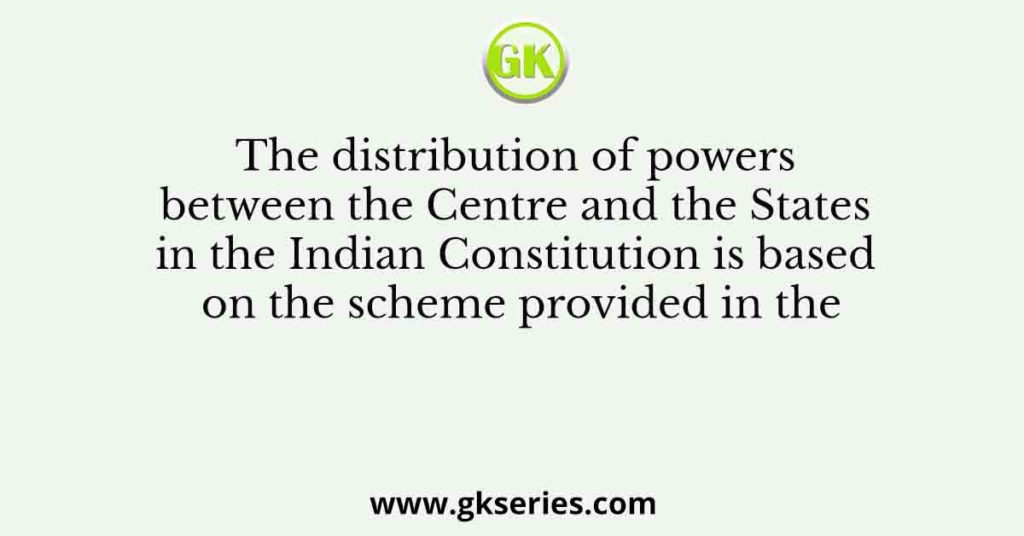
The distribution of powers between the Centre and the States in the Indian Constitution is based on the scheme provided in the

The distribution of powers between the Centre and the States in the Indian Constitution is based on the scheme provided in the

Q. The distribution of powers between the Centre and the States in the Indian Constitution is based on the scheme provided in the (a) Morley-Minto reforms 1909 (b) Montagu-Chelmsford Act 1919 (c) Government of India Act, 1935 (d) Indian Independence Act 1947 Ans: (c) Government of India Act, 1935 Explanation: The correct answer is (c)

The distribution of powers between the Centre and the States in the Indian Constitution is based on the scheme provided in the Read More »

The Lahore Session of the Indian National Congress (1929) is very important in history because

The Lahore Session of the Indian National Congress (1929) is very important in history because

Q. The Lahore Session of the Indian National Congress (1929) is very important in history because 1. The congress passed a resolution demanding complete independence 2. The rift between the extremists and moderates was resolved in that session 3. A resolution was passed rejecting two nation theory in that session Which of the statements given

The Lahore Session of the Indian National Congress (1929) is very important in history because Read More »

The Rowlatt act aimed at

The Rowlatt act aimed at

Q. The Rowlatt act aimed at (a) compulsory economic support to war efforts (b) imprisonment without trial and summary procedures for trial (c) suppression of the Khilafat movement (d) imposition of restrictions on freedom of the press Ans: (b) imprisonment without trial and summary procedures for trial Explanation:  The correct answer is (b) imprisonment without

The Rowlatt act aimed at Read More »

Scroll to Top