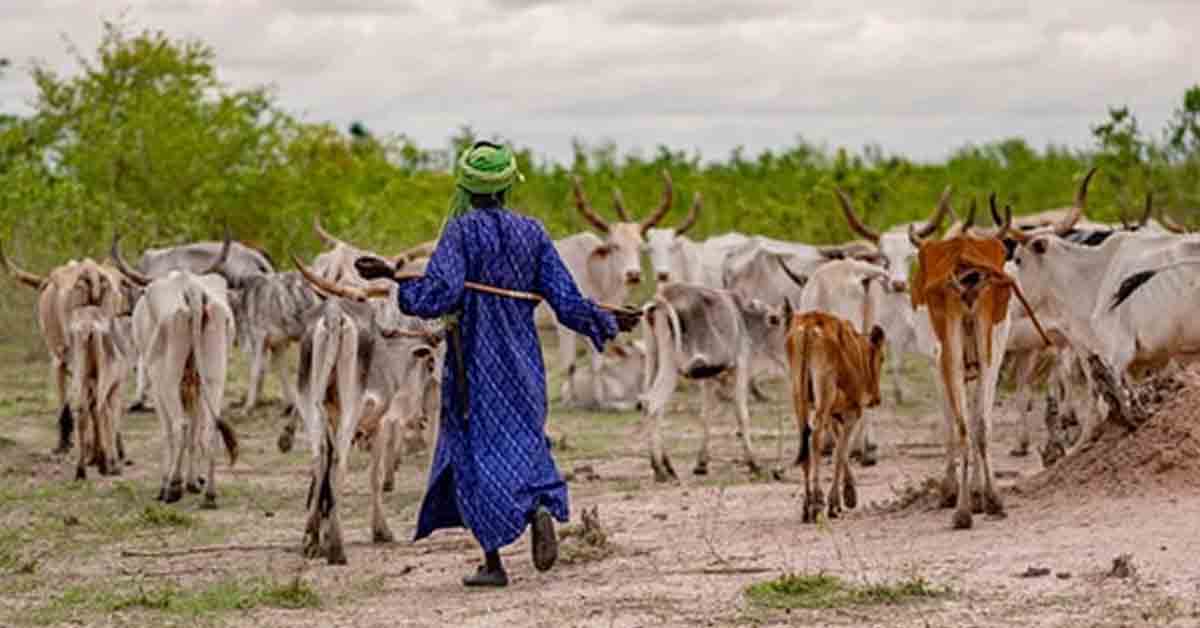
The UN has declared 2026 as the International Year for Rangelands and Pastoralists, placing global focus on the ecological and livelihood value of grasslands. Rangelands support food security, climate regulation, biodiversity, and millions of pastoral communities — yet they remain among the most neglected ecosystems, increasingly threatened by overuse, land conversion and climate stress. Covering about half the world’s land, rangelands are home to unique biodiversity and pastoral communities whose livelihoods depend on them. Pastoralists raise animals, contribute to food security, and hold diverse cultural heritage and local and indigenous knowledge, preserving ecosystems across the world.
- Objectives :
- To recognise rangelands and grasslands as vital yet overlooked ecosystems in climate action, biodiversity conservation, and food security.
- To correct the forest-centric bias in global climate and conservation policies.
- Key Focus Areas
- Integrating grasslands into climate policies, Nationally Determined Contributions (NDCs), and land degradation strategies.
- Strengthening synergies among the Rio Conventions:
- UNFCCC (United Nations Framework Convention on Climate Change)
- CBD (Convention on Biological Diversity)
- UNCCD (Convention to Combat Desertification)
- Promoting indigenous knowledge systems and community-led land management.