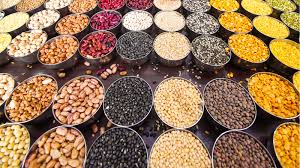
In a significant move towards achieving agricultural self-reliance, the Union Cabinet approved a six-year initiative called the Mission for Aatmanirbharta in Pulses on October 1, 2025. This program, running from 2025-26 to 2030-31, comes with a hefty budget of ₹11,440 crore, with the goal of ramping up domestic pulses production to 350 lakh tonnes, cutting down on import reliance, and ensuring a stable income for nearly 2 crore farmers. Even though India is the largest producer and consumer of pulses globally, it still depends on imports for about 15–20% of its needs. With a growing awareness of health and protein requirements, the demand for pulses has skyrocketed. This mission aims to close the supply-demand gap and enhance the livelihoods of those in rural areas.
Mission Objectives and Targets
The primary goal of this mission is to achieve self-sufficiency (Aatmanirbharta) in pulses. By 2030-31, the government plans to:
- Expand area under pulses to 310 lakh hectares
- Increase yield to 1,130 kg/ha
- Achieve production of 350 lakh tonnes
- Reach around 2 crore farmers through targeted interventions
Key Features and Strategic Components
The initiative places a strong focus on developing and sharing high-yielding, pest-resistant, and climate-resilient pulse varieties. Multi-location trials will be carried out in key pulse-growing states to ensure these varieties are suitable for different regions. To make improved seeds available, 126 lakh quintals of certified seeds will be distributed by 2030-31, covering 370 lakh hectares of farmland. States will create rolling five-year seed production plans, while ICAR will manage breeder seed production and ensure seed quality through the SATHI portal.
To boost pulse cultivation, the Mission aims to bring an additional 35 lakh hectares under pulses, especially in rice fallow areas, with support for intercropping and crop diversification. Farmers will receive 88 lakh free seed kits to promote adoption. Additionally, capacity-building programs will train farmers and seed growers in sustainable and modern agricultural practices.
Infrastructure and Post-Harvest Management
To minimize crop losses and enhance value addition,
- 1,000 pulse processing and packaging units will be established
- A subsidy of up to ₹25 lakh per unit will be provided
- These units will help improve storage, reduce wastage, and increase farmer earnings
Cluster-Based Implementation
The mission will adopt a cluster-based approach, customizing interventions based on specific regional needs. This allows,
- Efficient resource allocation
- Location-specific varietal adoption
- Stronger local market linkages
Procurement and Market Stability
A significant feature of the Mission is the assured procurement of Tur, Urad, and Masoor under the Price Support Scheme (PSS) of PM-AASHA. Agencies like NAFED and NCCF will undertake 100% procurement in participating states for the next four years, guaranteeing price support and boosting farmer confidence.
Significance of the Mission
- Reducing Imports and Saving Foreign Exchange: India has traditionally imported pulses to meet demand shortfalls. Achieving Aatmanirbharta will reduce import dependency and conserve foreign exchange, making India less vulnerable to global market fluctuations.
- Enhancing Farmer Incomes: With better seeds, guaranteed Minimum Support Prices (MSP), improved access to infrastructure, and fewer post-harvest losses, farmers—especially small and marginal ones—will see a boost in their net incomes.
- Nutrition and Food Security: Pulses are a vital source of protein and essential micronutrients. By ramping up domestic production, we can ensure that nutrition is more affordable and accessible for everyone, particularly for those in need.
- Environmental and Climate Gains: Pulse crops naturally improve soil fertility through nitrogen fixation and are water-efficient, making them environmentally sustainable. Promoting climate-resilient varieties adds a layer of risk-proofing against weather variability.