In the world of education, “SMART” is a handy framework for setting goals that helps both teachers and students craft effective learning objectives. It ensures that these goals are Specific, Measurable, Achievable, Relevant, and Time-bound. Let’s break it down a bit more:
• Specific: A SMART goal clearly defines what needs to be accomplished, leaving no room for confusion.
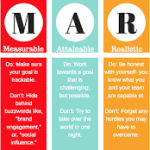
• Measurable: There should be a way to track progress and see if the goal has been met.
• Achievable: The goal must be realistic and attainable, inspiring students to strive for it.
• Relevant: It should connect with broader educational aims and hold significance for the student.
• Time-bound: A SMART goal comes with a specific deadline or timeframe for completion. Here are some examples of SMART goals in education:
Examples of SMART goals in education:
- Non-SMART: “Improve math skills.”
- SMART: “Increase my math test score from 70% to 85% by the end of the quarter.”
By using the SMART framework, teachers can create more effective lesson plans and help students set realistic and achievable learning goals.