May 2025

Carbon Footprint

Carbon Footprint

A carbon footprint measures all the greenhouse gas (GHG) emissions measured in CO2 equivalents, either directly or indirectly, by an individual, organization, product, or activity that contribute to climate change. What it is: • Greenhouse Gas Emissions: A carbon footprint is a measure of the amount of GHGs released into the atmosphere, mostly carbon dioxide […]

Carbon Footprint Read More »

Ibn Battuta - Traveler

Ibn Battuta – Traveler

Ibn Battuta, a Moroccan traveler, arrived in India in 1333 during Tughlaqi rule, under Sultan Muhammad bin Tughlaq, and spent years serving as a judge in Delhi, as well as being a diplomat to China. Here is a bit more information about his visit to India: • Arrival and Purpose: Ibn Battuta entered India in

Ibn Battuta – Traveler Read More »

Rann of Kutch

Rann of Kutch

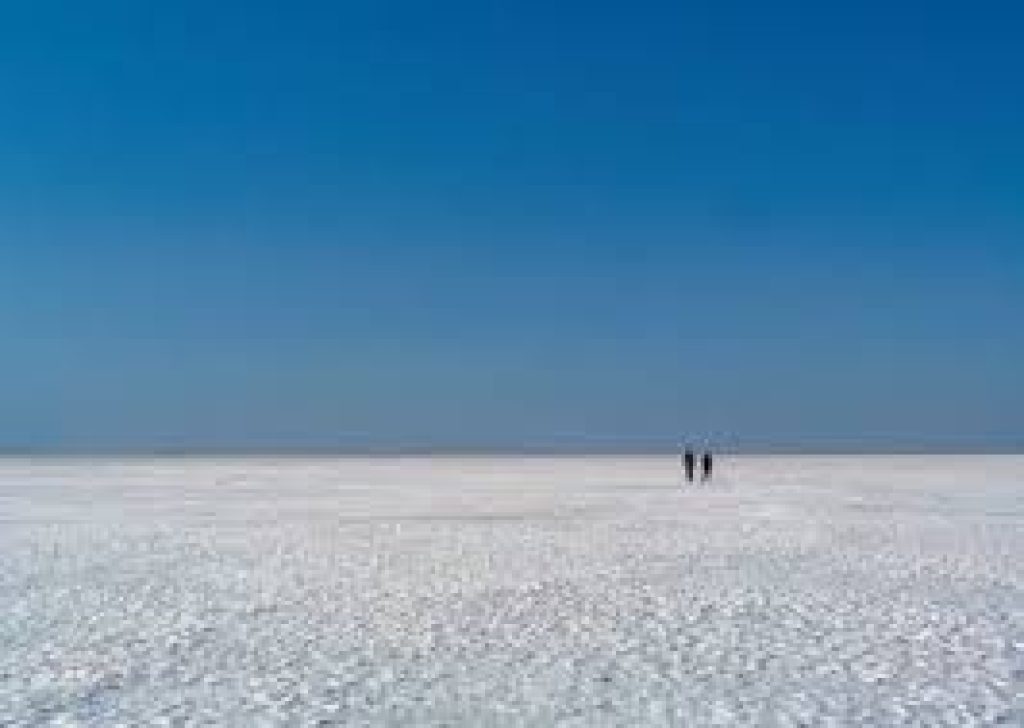
The Rann of Kutch is an extensive salt marsh found primarily in the Kutch district of the state of Gujarat in India, but it also extends a small bit into the Sindh province in Pakistan. The word for “desert” in Hindi is “Rann.” Key aspects: Geography: • The Rann of Kutch is one of the

Rann of Kutch Read More »

Dyarchy System

Dyarchy System

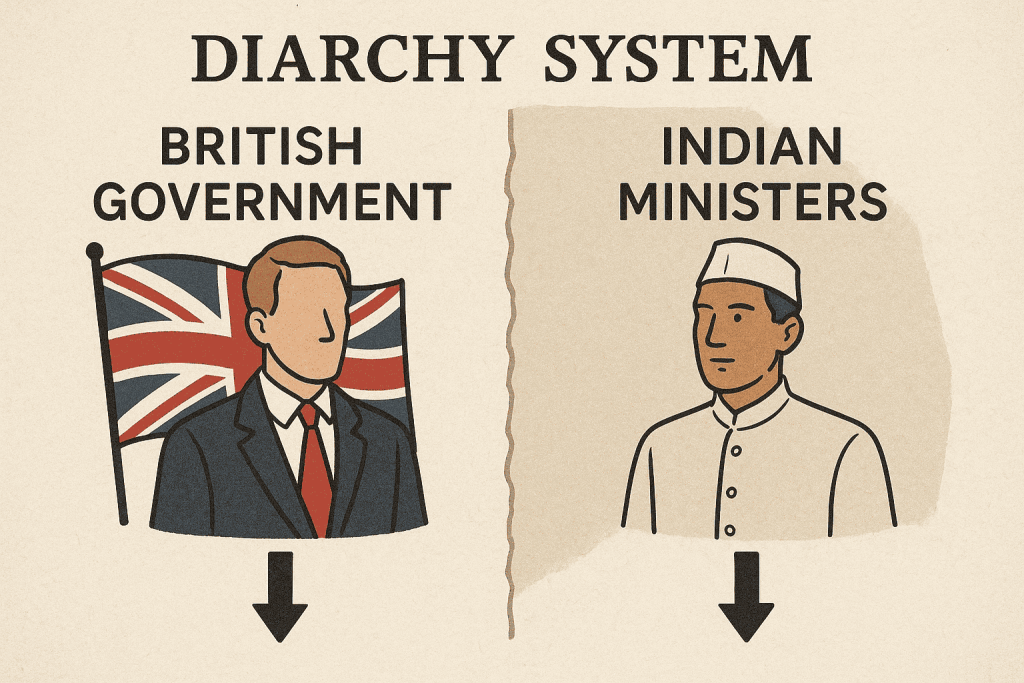
Dyarchy, introduced by the Government of India Act of 1919, was a system of dual government in British India’s provinces dividing executive responsibilities between British appointed officials (reserved subjects) and elected Indian ministers (transferred subjects).To put it more clearly: Key Features: Abolition: The system of dyarchy in the provinces was abolished with the introduction of

Dyarchy System Read More »

List of The Ramsar Sites in India

List of The Ramsar Sites in India

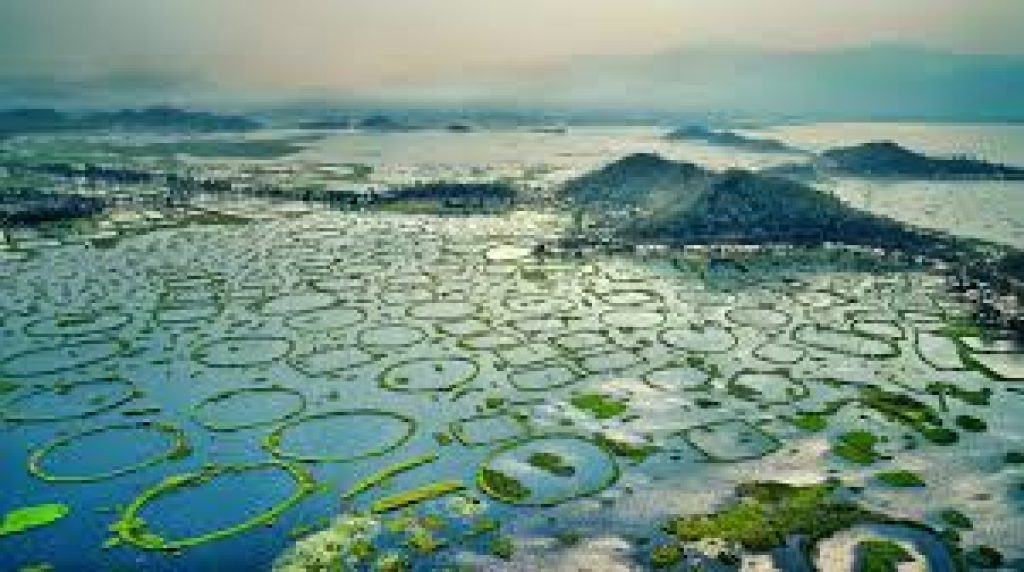
As of February 2025, India is currently recognized by Ramsar sites with 89, covering more than 13 lakh hectares, important for biodiversity conservation and sustainable use. It is Tamil Nadu that has the most Ramsar sites, or sites can be defined as internationally important wetlands.The newly designated sites include Sakkarakottai Bird Sanctuary and Therthangal Bird

List of The Ramsar Sites in India Read More »

Green Revolution in India

Green Revolution in India

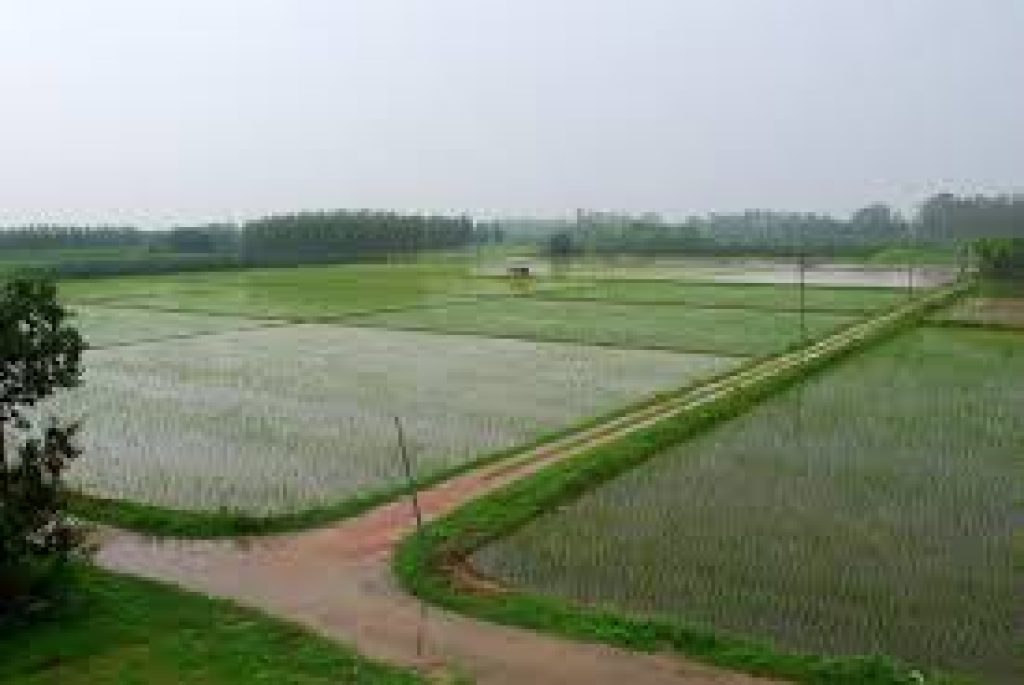
The Green Revolution in India was a period of agricultural growth steroids in the 1960s. The movement aimed at food shortages and famine. The Green Revolution shifted India from a food-deficient country to one of self-sufficiency. How did the Green Revolution happen?

Green Revolution in India Read More »

Panchayati Raj System

Panchayati Raj System

The Panchayati Raj System in India is a local self-governance system that operates at the village (gram), intermediate (block) levels, and district levels and was constitutionalized by the 73rd Constitutional Amendment Act, 1992 which was enforced on April 24, 1993. Incorporating Part IX into the Constitution entitled, “The Panchayats”, the amended Constitution has a newly

Panchayati Raj System Read More »

Public Accounts Committee (PAC)

Public Accounts Committee (PAC)

In India, the Public Accounts Committee (PAC) is a parliamentary committee that audits the revenue and expenditure of the Government of India, monitoring the use of public money to ensure it is spent appropriately and lawfully. Key Highligts: Purpose and Role: Composition and Structure: History and Evolution:

Public Accounts Committee (PAC) Read More »

Five-Year Plans

Five-Year Plans

India had a series of 12 Five-Year Plans from 1951 to 2017 (with each plan providing a national development program structured for five years). Five-Year Plans were an important part of Indian economic planning, until the Planning Commission (which is now called NITI Aayog) was dissolved in 2015 and replaced by NITI Aayog. The Five-Year

Five-Year Plans Read More »

Scroll to Top