Article

Rann of Kutch

Rann of Kutch

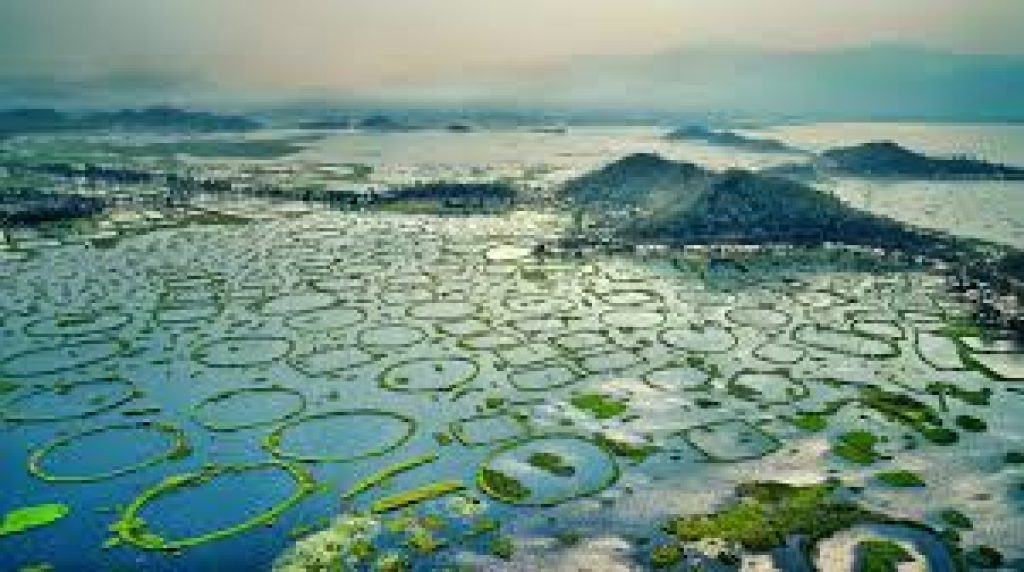
The Rann of Kutch is an extensive salt marsh found primarily in the Kutch district of the state of Gujarat in India, but it also extends a small bit into the Sindh province in Pakistan. The word for “desert” in Hindi is “Rann.” Key aspects: Geography: • The Rann of Kutch is one of the

Rann of Kutch Read More »

Dyarchy System

Dyarchy System

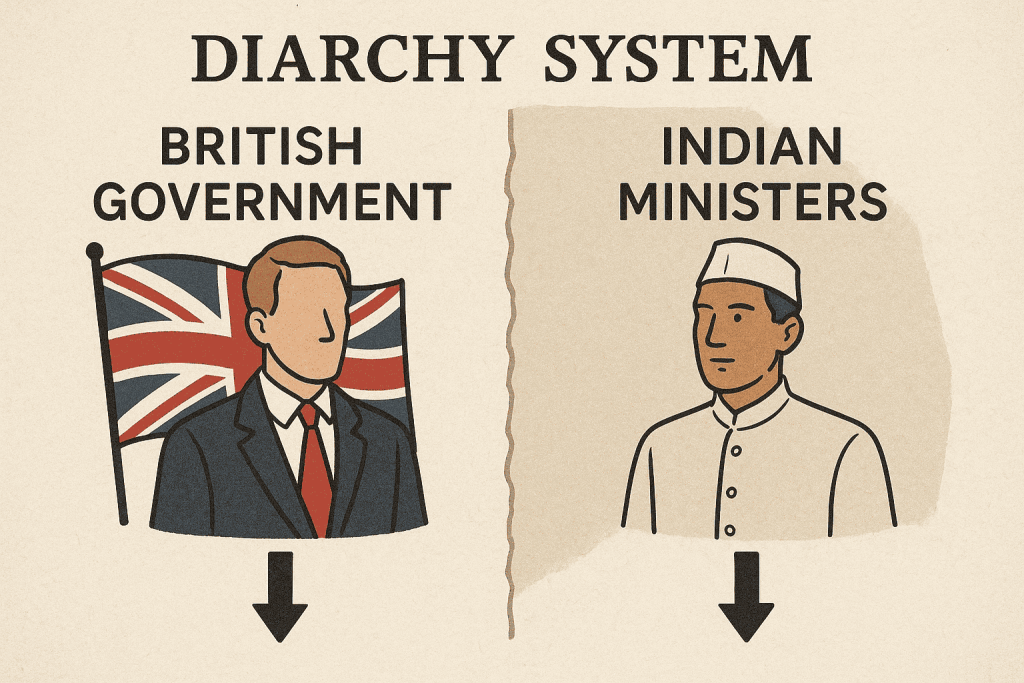
Dyarchy, introduced by the Government of India Act of 1919, was a system of dual government in British India’s provinces dividing executive responsibilities between British appointed officials (reserved subjects) and elected Indian ministers (transferred subjects).To put it more clearly: Key Features: Abolition: The system of dyarchy in the provinces was abolished with the introduction of

Dyarchy System Read More »

List of The Ramsar Sites in India

List of The Ramsar Sites in India

As of February 2025, India is currently recognized by Ramsar sites with 89, covering more than 13 lakh hectares, important for biodiversity conservation and sustainable use. It is Tamil Nadu that has the most Ramsar sites, or sites can be defined as internationally important wetlands.The newly designated sites include Sakkarakottai Bird Sanctuary and Therthangal Bird

List of The Ramsar Sites in India Read More »

Green Revolution in India

Green Revolution in India

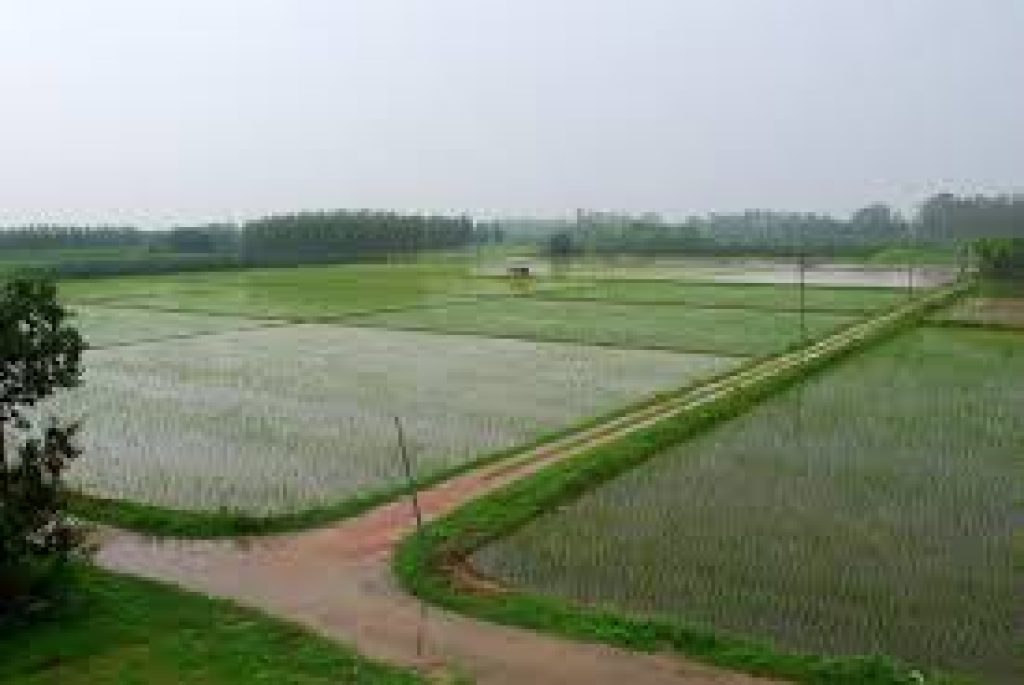
The Green Revolution in India was a period of agricultural growth steroids in the 1960s. The movement aimed at food shortages and famine. The Green Revolution shifted India from a food-deficient country to one of self-sufficiency. How did the Green Revolution happen?

Green Revolution in India Read More »

Panchayati Raj System

Panchayati Raj System

The Panchayati Raj System in India is a local self-governance system that operates at the village (gram), intermediate (block) levels, and district levels and was constitutionalized by the 73rd Constitutional Amendment Act, 1992 which was enforced on April 24, 1993. Incorporating Part IX into the Constitution entitled, “The Panchayats”, the amended Constitution has a newly

Panchayati Raj System Read More »

Public Accounts Committee (PAC)

Public Accounts Committee (PAC)

In India, the Public Accounts Committee (PAC) is a parliamentary committee that audits the revenue and expenditure of the Government of India, monitoring the use of public money to ensure it is spent appropriately and lawfully. Key Highligts: Purpose and Role: Composition and Structure: History and Evolution:

Public Accounts Committee (PAC) Read More »

Five-Year Plans

Five-Year Plans

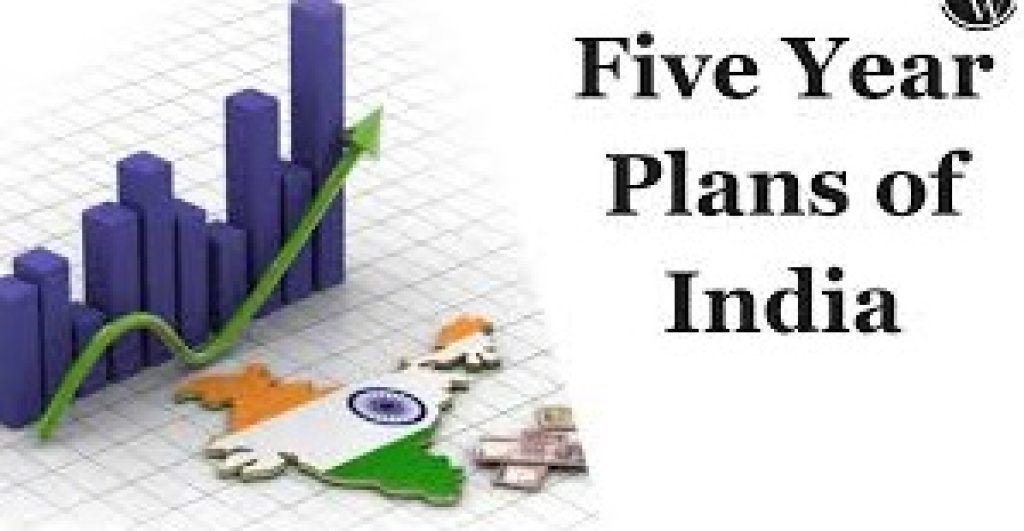
India had a series of 12 Five-Year Plans from 1951 to 2017 (with each plan providing a national development program structured for five years). Five-Year Plans were an important part of Indian economic planning, until the Planning Commission (which is now called NITI Aayog) was dissolved in 2015 and replaced by NITI Aayog. The Five-Year

Five-Year Plans Read More »

Nari Shakti Vandan Adhiniyam

Nari Shakti Vandan Adhiniyam

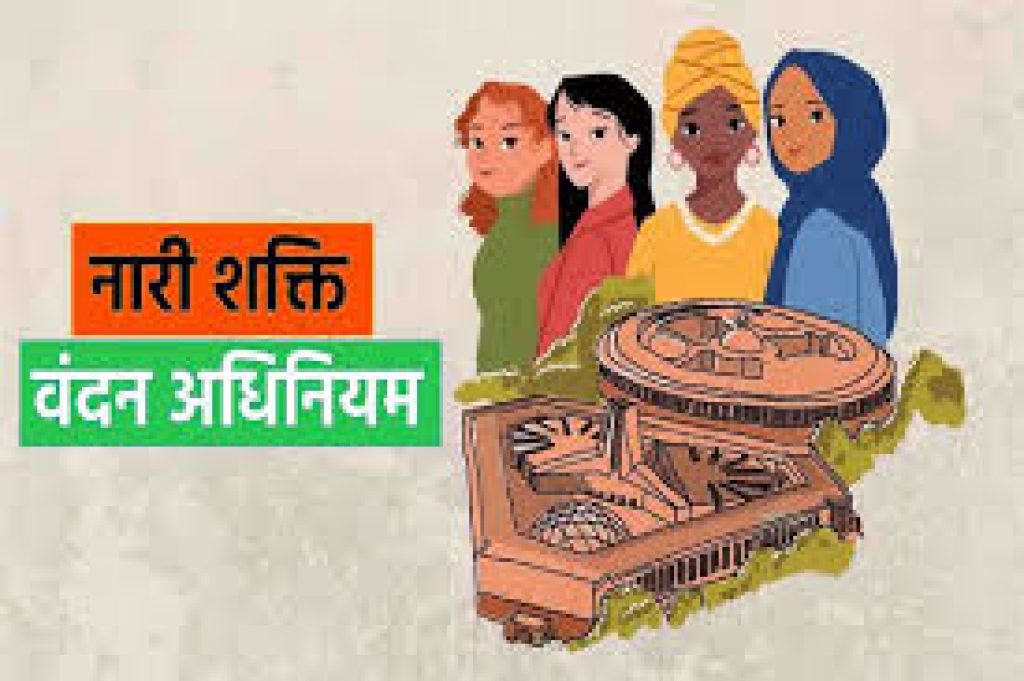
The Nari Shakti Vandan Adhiniyam, also known as the Women’s Reservation Bill, is a milestone legislation in India that reserves seats for women in the Lok Sabha (the lower house of India’s Parliament), in State Legislative Assemblies, and the Legislative Assembly of the National Capital Territory of Delhi. Key Highlights:

Nari Shakti Vandan Adhiniyam Read More »

Eastern Himalaya Biodiversity Hotspot

Eastern Himalaya Biodiversity Hotspot

The Eastern Himalayas are known as a global biodiversity hotspot, due to their high uniqueness and richness in species diversity and endemism, which includes parts of Bhutan, Nepal, Arunachal Pradesh and India, with an estimated 10,000 species of plants, including approximately 3160 endemic. Some details include: Location and Extent: – The Eastern Himalayas, which are

Eastern Himalaya Biodiversity Hotspot Read More »

Scroll to Top