Article

Pratima Barua Pandey

Pratima Barua Pandey

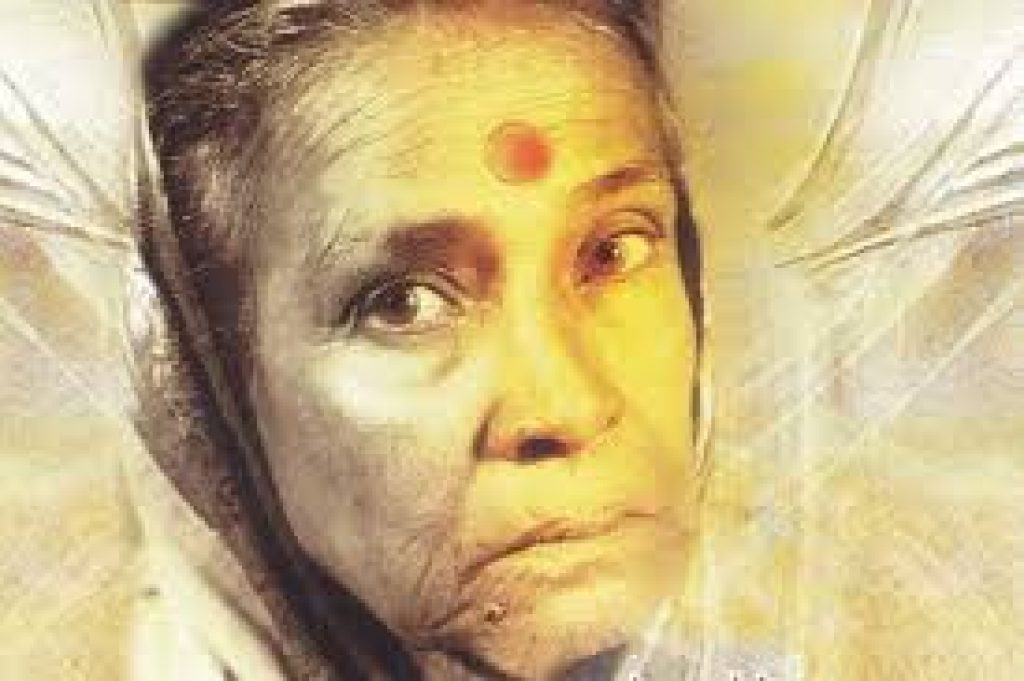
Pratima Pandey (also known as Pratima Barua Pandey) was one of the popular folk singers amongst all the folk singers Assam has produced and from the royal house of Gauripur in Dhubri District in Western Assam. There’s an interesting phenomenon here in that, she not only assisted in the revival and consolidation of a folk […]

Pratima Barua Pandey Read More »

Physiographic Divisions Of Assam

Physiographic Divisions Of Assam

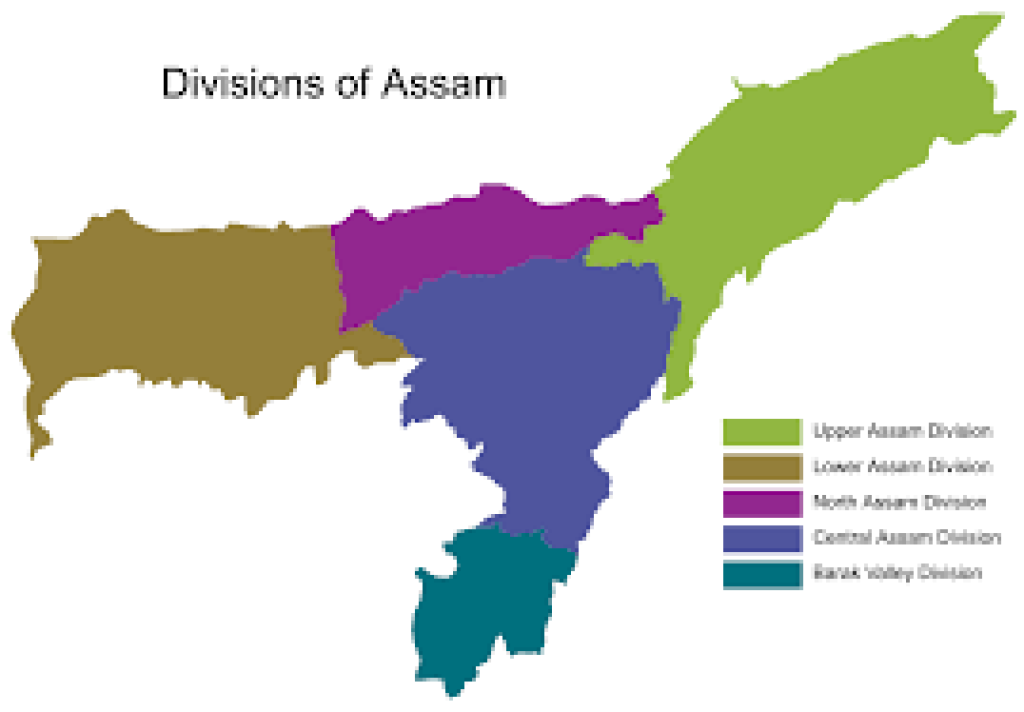
Assam can be identified as comprising three major physiographical divisions of which the Brahmaputra Valley, Barak Valley and the Karbi Anglong and North Cachar hills are the most identifiable. The Brahmaputra Valley, identified in the northern part of Assam, is the largest and most prominent plain of the Brahmaputra River, measuring approximately 80-100 km in

Physiographic Divisions Of Assam Read More »

Nabakanta Barua

Nabakanta Barua

Nabakanta Barua popularly known as Ekhud Kokaideu among assamese poples was an illustrious Assamese poet and novelist. He was born December 29 , 1926 in Guwahati to Nilakanta Barua who was a school inspector and later a teacher in school and Swarnalata Baruani . While initially the family lived in upper Assam, later on the

Nabakanta Barua Read More »

Mukhyamantri Swa Niyojan Yojana

Mukhyamantri Swa Niyojan Yojana

As announced by the Assam Finance Minister provided to foster microentrepreneurs for self-employment instigating of unemployed youths/out of BPL families and dress the low-income group holdings familiesSignificance:INTROThe chief minister of Assam, has initiated on Sva-Niyojan Yojana in starting the small businesses in the states. This programme is a government funded entrepreneurs for 2 lakh rupees

Mukhyamantri Swa Niyojan Yojana Read More »

Money Bill in India

Money Bill in India

Article 110 of the Indian Constitution deals with the Money Bill in India. There are a limited number of ways in which a bill can be called a money bill. The provisions that allow a bill to be called a money bill in India are stated hereunder: Provisions for Money Bill in India Article 110

Money Bill in India Read More »

What is longest river in India

What is longest river in India?

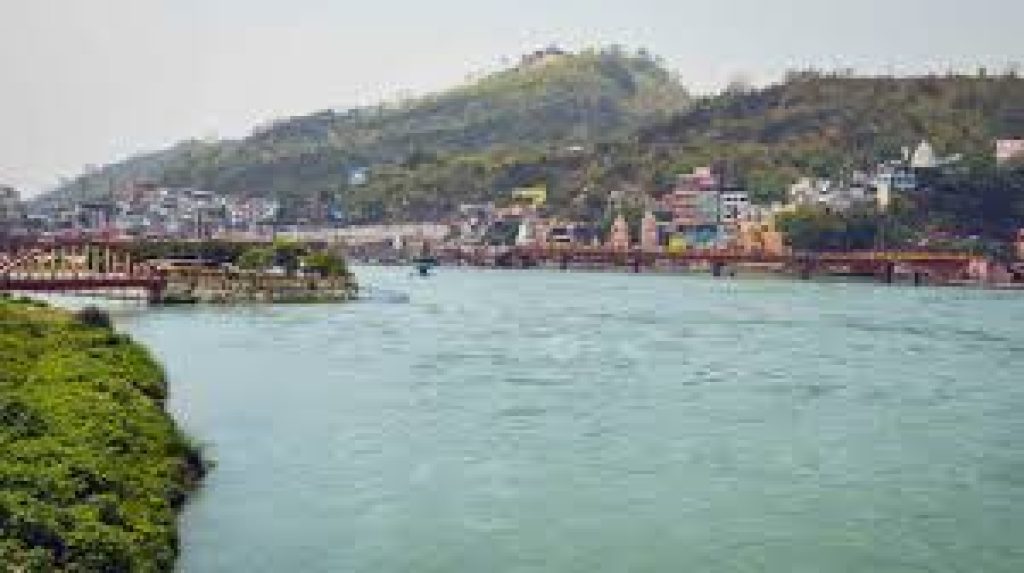
The Ganges is the longest river in India at 2525 kilometers (1569 miles) flowing from the Gangotri Glacier in the Himalayas to its delta in the Bay of Bengal passing through the Gangetic Plain. It is considered sacred by Hindus and a cleansing agent. The Ganges basin is one of the most populated regions and

What is longest river in India? Read More »

Kamarupa pithas

Kamarupa pithas

Kamarupa Pithas are old pithas or geographical divisions of Kamarupa. The division and classification of the Pithas are not uniform in the various sources, although we usually find four Pithas. As these pithas do not appear in the Kamarupa inscriptions, and are referred in the subsequent medieval texts, some authors have suggested that these divisions

Kamarupa pithas Read More »

Kalaguru Bishnu Prasad Rabha

Kalaguru Bishnu Prasad Rabha

Bishnu Prasad Rabha was born on January 31 1909 in Dhaka and he is considered one of the forefathers of Assamese art and music. He is popularly known as Kala Guru by assamese people. He was a versatile artist and revolutionary singer, who sometimes is considered the revolutionary artist of Assam. His music is now

Kalaguru Bishnu Prasad Rabha Read More »

India Meteorological Department

India Meteorological Department

India Meteorological Department is a government agency involved in all things meteorological and its related fields of study.What is meteorology?Meteorology can be defined as the branch of science that relates to the atmosphere and its phenomena, related weather, and weather forecasting. The related subjects are Seismology, Geography, Geology, etc.India Meteorological Department (IMD)The India Meteorological Department

India Meteorological Department Read More »

Finance Commission of India

Finance Commission of India

The Finance Commission is a constitutional body established for the purpose of distribution of specified revenue resources between the Union government and the state government. It was constituted under Article 280 of the Indian Constitution by the Indian President to outline the financial relations between the Centre and the states. It was established in the

Finance Commission of India Read More »

Scroll to Top