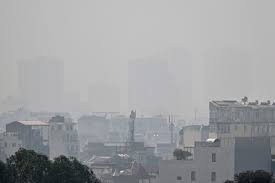
Hanoi, Vietnam’s capital, has recently been identified as the world’s most polluted city, with PM2.5 levels reaching 266 micrograms per cubic meter. This alarming air quality has raised significant health concerns among residents and prompted government action.
Unprecedented Air Quality Levels
On January 3, 2025, AirVisual reported that Hanoi’s PM2.5 levels were the highest globally, indicating severe air pollution.
Primary Sources of Pollution
Heavy Traffic: The city’s dense traffic contributes significantly to air pollution.
Trash Burning: Open burning of waste releases harmful pollutants into the air.
Industrial Activities: Emissions from factories and industrial sites add to the deteriorating air quality.
Health Impacts on Residents
Respiratory Issues: Elderly residents report increased breathing difficulties due to poor air quality.
Reduced Visibility: Young people have noted decreased visibility and discomfort while breathing.
Government Initiatives
Promotion of Electric Vehicles (EVs): Deputy Prime Minister Tran Hong Ha has called for an accelerated transition to EVs to reduce pollution.
EV Adoption Targets: Hanoi aims for at least 50% of buses and 100% of taxis to be electric by 2030.
Expert Insights
Climate expert Huy Nguyen attributes the persistent pollution to consistent sources and unfavorable weather conditions, which trap pollutants in the atmosphere.