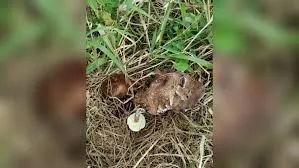
The rain-drenched pine forests of the East Khasi Hills in Meghalaya have unveiled a fascinating new edible mushroom species. Known to the Khasi tribal communities as Tit iongnah, this fungus has been part of their culture for ages. Scientists have now confirmed its existence using modern techniques like DNA sequencing, showcasing a beautiful blend of traditional knowledge and contemporary science in the realm of biodiversity research.
Recent Discovery and Scientific Validation
A dedicated team from the Botanical Survey of India’s Eastern Regional Centre, St. Xavier’s College (Dumka), and Mahidol University in Thailand worked together to identify this mushroom. They conducted field surveys, microscopic examinations, and genetic analyses. Lactifluus khasianus, belonging to the milkcap genus Lactifluus, section Gerardii, stands out with its chocolate-brown cap and larger cystidia compared to its relatives. This unique mushroom thrives in harmony with Khasi pine trees at an altitude of about 1,600 meters.
Significance to Khasi Tribal Communities
For the Khasi people, Tit iongnah is a beloved seasonal delicacy. They gather it from the forests and sell it in local markets during the monsoon season. This traditional practice has been around long before any scientific classification. The mushroom serves as a vital source of protein and essential nutrients in their diets. This situation beautifully illustrates how indigenous knowledge helps preserve food resources and ecological wisdom.
Contribution to Indian Mycology
Lactifluus khasianus marks the fifth species from its section identified in India, and it’s the first one confirmed to be edible. Meghalaya, nestled in the Indo-Burma biodiversity hotspot, boasts a remarkable variety of fungi. In fact, over 34 Lactifluus species have been recorded in India, with many hailing from this vibrant region. This discovery not only enriches our understanding of fungal diversity but also highlights Meghalaya’s significance as a vital hub for mycological research.
Broader Implications for Conservation and Science
Documenting new fungal species aids forest ecosystem conservation. It protects local food traditions and supports sustainable harvesting. Scientific knowledge of such fungi may lead to advances in nutrition and medicinal applications. The collaboration between tribal knowledge and scientific research strengthens biodiversity protection efforts.